Syd Mead Drew the Future Before Cinema Could Build It
Syd Mead combined industrial-design logic with cinematic imagination and defined the role of the visual futurist.
By Weston Deboer
November 23, 2026 · 2 min read
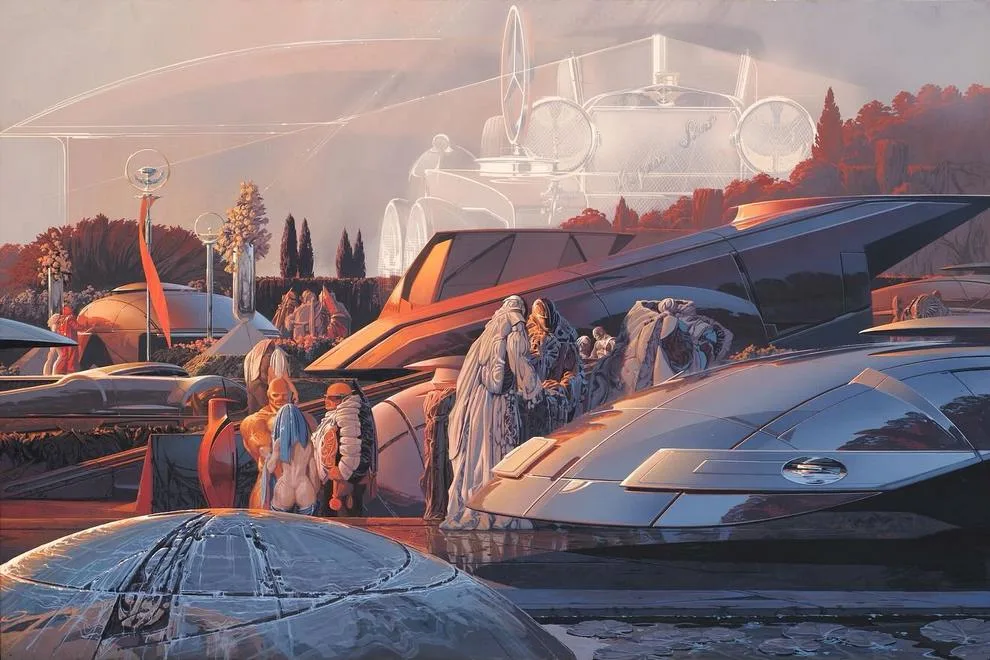
Artwork by Syd Mead, via Design You Trust.
Syd Mead did not simply decorate imagined futures. He designed systems that looked as though people could work, travel, and live inside them. The American industrial designer, who described himself as a visual futurist, brought practical logic to vehicles, cities, interfaces, and machines that cinema had not yet learned how to build.
Industrial design made imaginary worlds usable
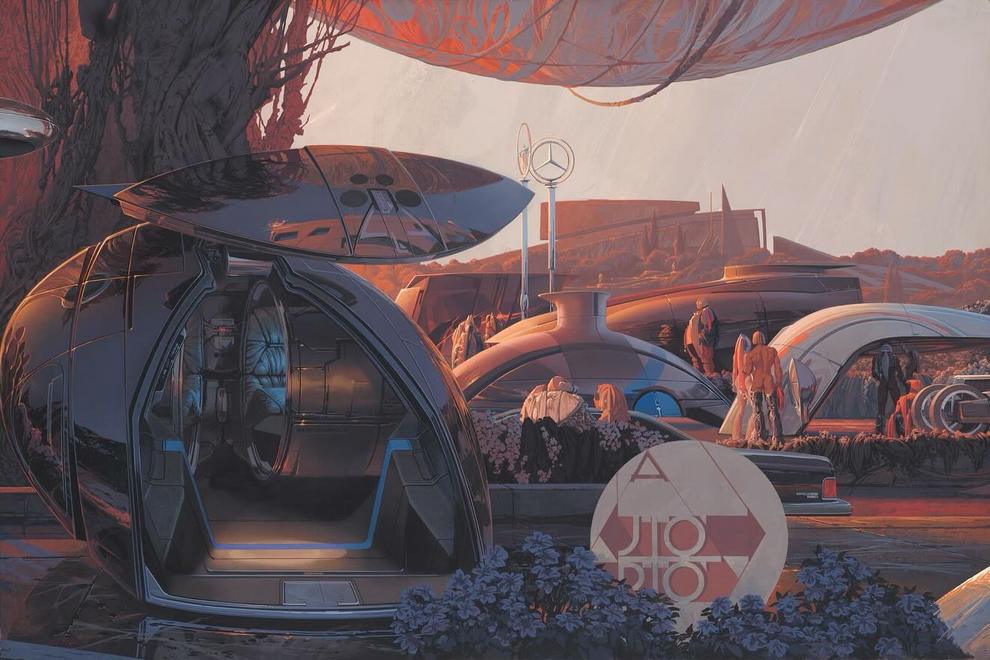
Mead's film work began with Star Trek: The Motion Picture in 1979, where he contributed to the interior of V'Ger. Ridley Scott later brought him onto Blade Runner after encountering his commercial and industrial work. Mead's backgrounds, vehicles, and streets helped make that film's future feel worn-in, functional, and socially specific rather than merely fantastic.
A title that became a profession
The credit "Visual Futurist" gave a name to Mead's unusual position between industrial design, illustration, architecture, and production design. His later work on films including Aliens extended that method: every spectacular object first had to make sense as a designed thing.
Mead retired in September 2019 and died on December 30 of that year. His influence remains visible wherever speculative worlds are judged by whether their tools, traffic, and built environments seem convincingly usable.
Explore the official Syd Mead biography and read the source feature at Design You Trust.