The Quiet Exhaustion of Tired Women in Art
A visual thread of weary figures reveals how artists framed women's exhaustion as a private condition, while men's fatigue was more often explained thro...
By Weston Deboer
November 24, 2026 · 2 min read
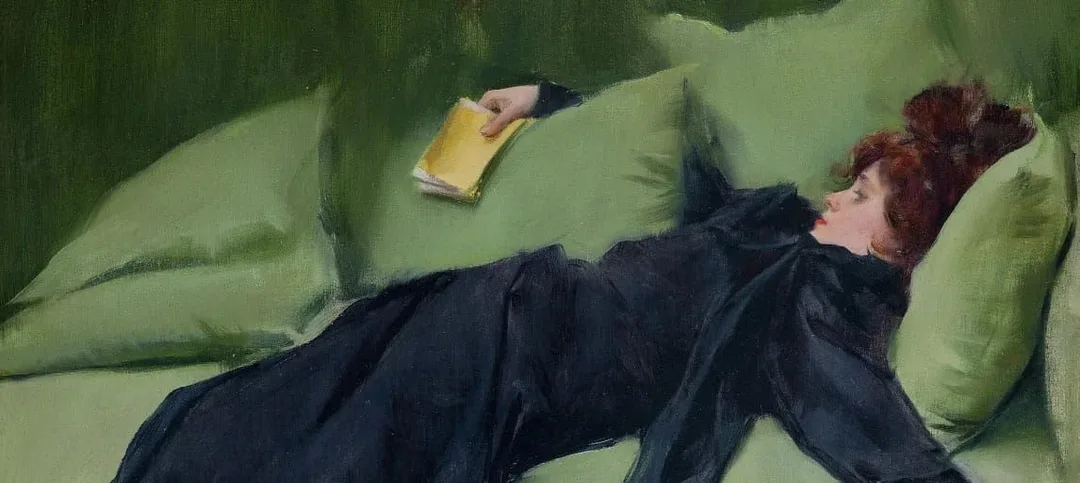
Ramon Casas, After the Ball (1899), via Ironic Sans
Exhaustion is easy to recognize in a painting, even when nothing dramatic is happening. A body sinks into upholstery. A hand holds up a face at the breakfast table. A mother remains awake in bed because a child is not. These gestures are small, but they turn tiredness into a subject rather than a detail.
David Friedman's survey of tired women in art for Ironic Sans gathers paintings in which fatigue occupies the center of the image. Seen together, they suggest an imbalance in how exhaustion has been pictured: women are often allowed to appear tired without a clear cause, while men's fatigue is more frequently explained by labor, travel, or another visible narrative.
Fatigue without spectacle
Ramon Casas's After the Ball turns a green sofa into a landscape of collapse. The figure's black dress still belongs to the public world she has left behind, but her posture has abandoned its rules. The painting makes the aftermath more compelling than the event itself.
In Elin Danielson-Gambogi's After Breakfast, tiredness is quieter. The unfinished table, cigarette, and unfocused gaze resist the idea that domestic space is automatically restorative. Rest and obligation occupy the same room.
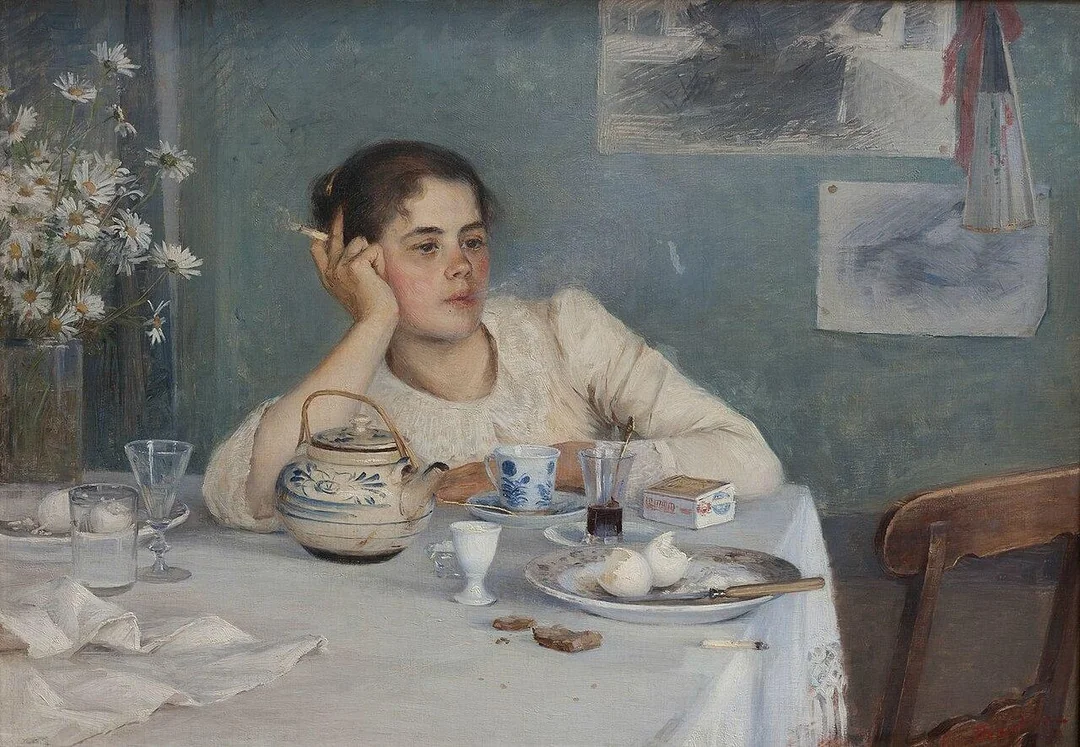
Who is permitted to be tired?
Mary Cassatt's Breakfast in Bed places maternal intimacy beside visible depletion. The child is alert; the mother is not. Cassatt does not need to explain the work that came before this moment because the relationship itself supplies the context.
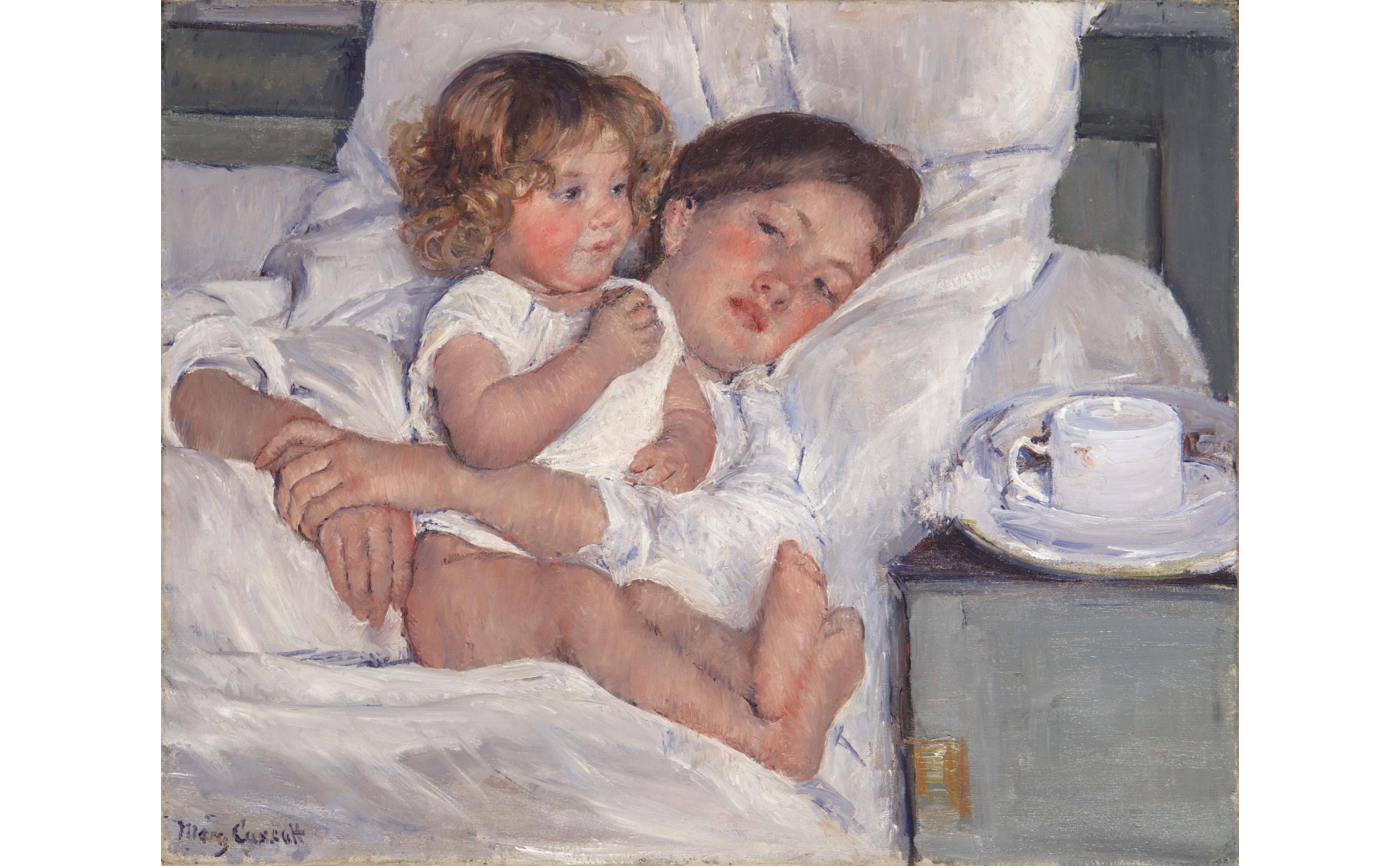
The recurring distinction is not absolute, but it is useful: paintings of tired women often preserve a suspended moment, while paintings of tired men more often tell viewers what earned the rest. Looking for fatigue across art history becomes a way of noticing who receives sympathy, who must justify stillness, and whose labor remains outside the frame.
Explore more visual ideas in Art Vault's Inspiration archive.
Source: “Tired Women in Art” by David Friedman, Ironic Sans.