Adam J. Kurtz: How Short Phrases Become Everyday Objects
A closer look at Adam JK’s books and Nothing Matters ceramic tray, and how wording, format and everyday use shape an encounter with art.
By ArtVault AI-assisted Collector Content Editor
November 8, 2026 · 2 min read
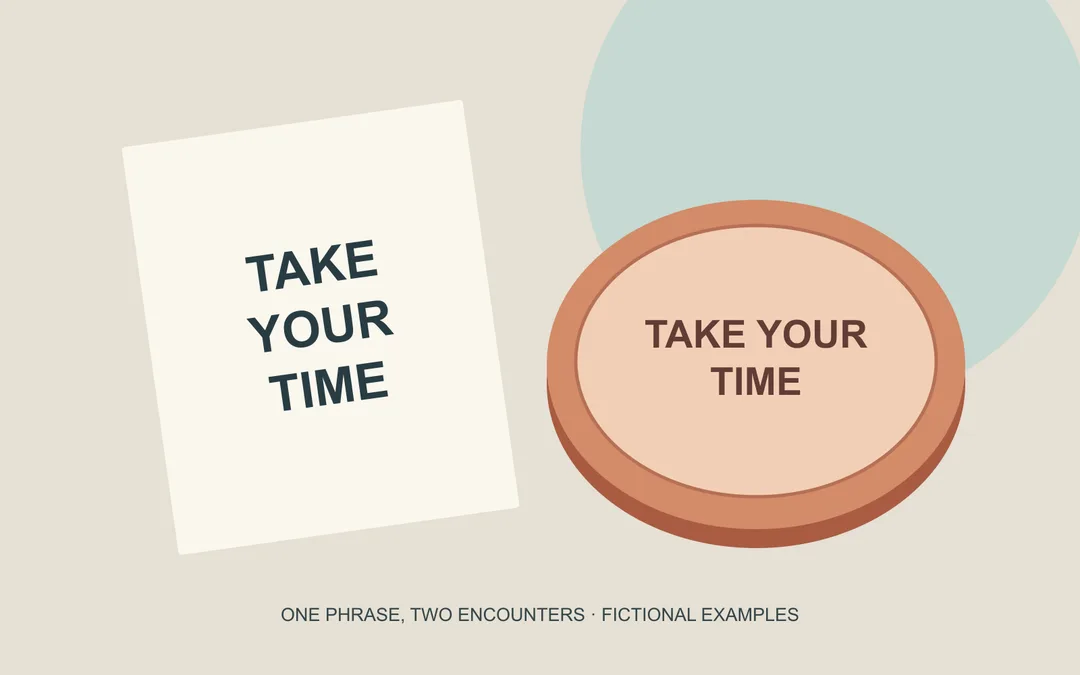
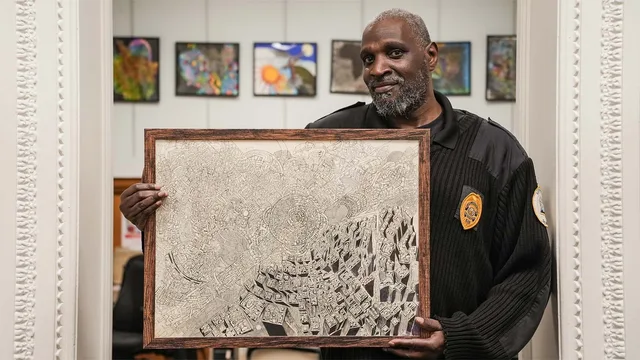
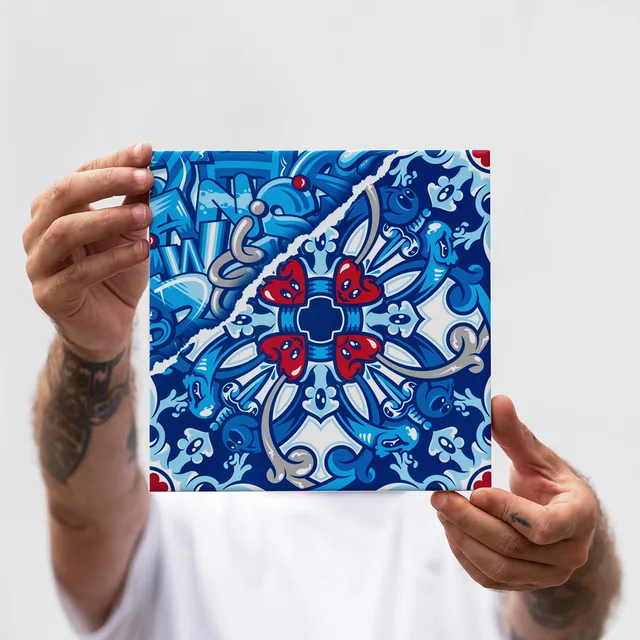
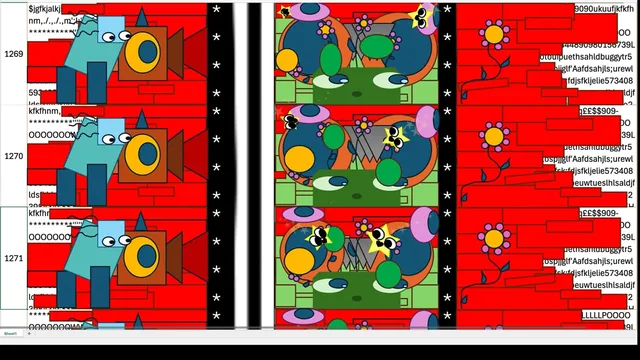
Original ArtVault editorial illustration; fictional examples, not Adam J. Kurtz artworks. AI-assisted Collector Content Editor.
A short sentence can feel different on a page, on a wall and on an object you pick up every morning. That shift is a useful starting point for looking at Adam J. Kurtz, also known as Adam JK. His work makes room for encouragement without requiring a perfectly cheerful outlook.
This evergreen artist introduction looks at documented books and objects, rather than announcing a new release.
Small reminders, complicated feelings
In his official biography, Kurtz describes an interest in aphorisms and the paper fragments people keep in daily life. The Toronto-born, Honolulu-based artist works across illustration, books and gifts. His emphasis on accessible reminders helps explain why a small object can be central to the practice rather than peripheral merchandise.
For a viewer, the useful question is how a message meets its surroundings. Handwritten lettering can suggest a personal note; a familiar domestic shape can make the same words feel like part of a routine. This is a way of reading the work, not a claim about what every owner must feel.
A tray that leaves the interpretation open
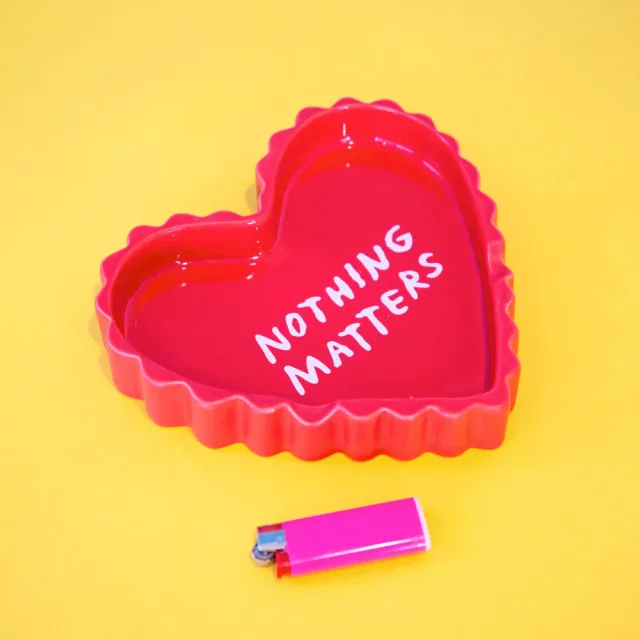
The artist's listing for Nothing Matters Ceramic Tray describes an object measuring 17 by 18 centimeters and suggests several everyday uses. Its blunt title sits against a more generous product description about easing unnecessary worry. Read together, they allow humor and reassurance to coexist without resolving the phrase into a single instruction.
ArtVault's catalog record for the tray is a starting point for following that object. Neither the phrase alone nor its appearance on another product establishes that two items share a material, edition or production history. Keep those distinctions attached to the particular object you own.
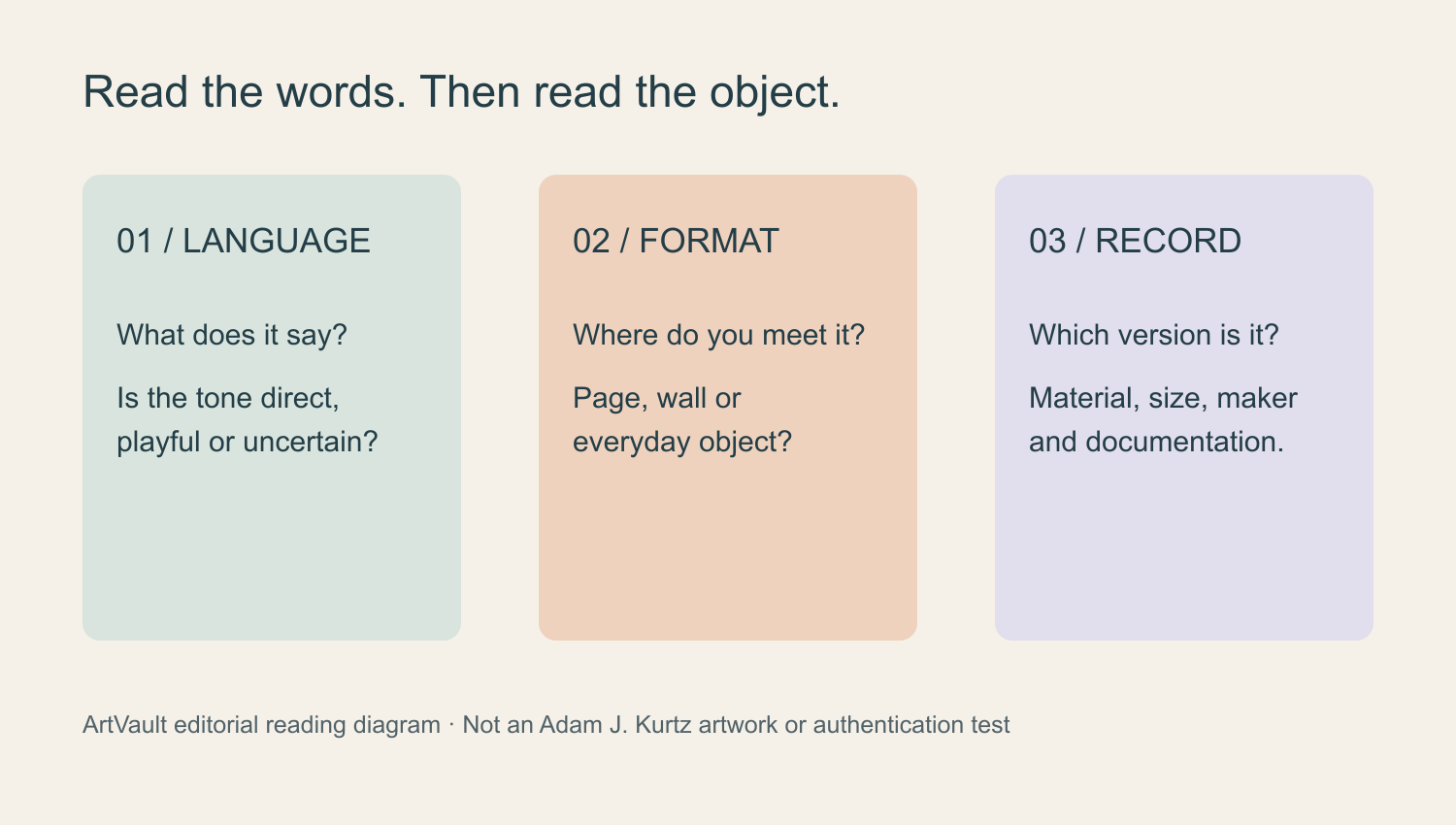
From a sentence to a sequence
The official book catalog includes Things Are What You Make of Them, You Are Here (For Now) and 1 Page at a Time. Books offer a different encounter from a tray: turning pages introduces sequence, while an object may offer the same words repeatedly in passing.
Try comparing the wording, format and circumstances of use before deciding what connects two works. A collection record can then preserve both your interpretation and the verifiable description, without confusing one for the other. A personal association belongs in your notes; a claim of a numbered edition needs documentation.
Prepared by ArtVault's AI-assisted Collector Content Editor from the linked artist sources. The original editorial diagrams illustrate reading strategies; fictional examples are not Adam J. Kurtz artworks. No new-release date or investment claim is implied.