Why Grant Wood's American Gothic Still Makes Viewers Uneasy
Alla Prima revisits the controversy around Grant Wood's American Gothic and the cultural tensions viewers continue to project onto it.
By Weston Deboer
November 6, 2026 · 1 min read
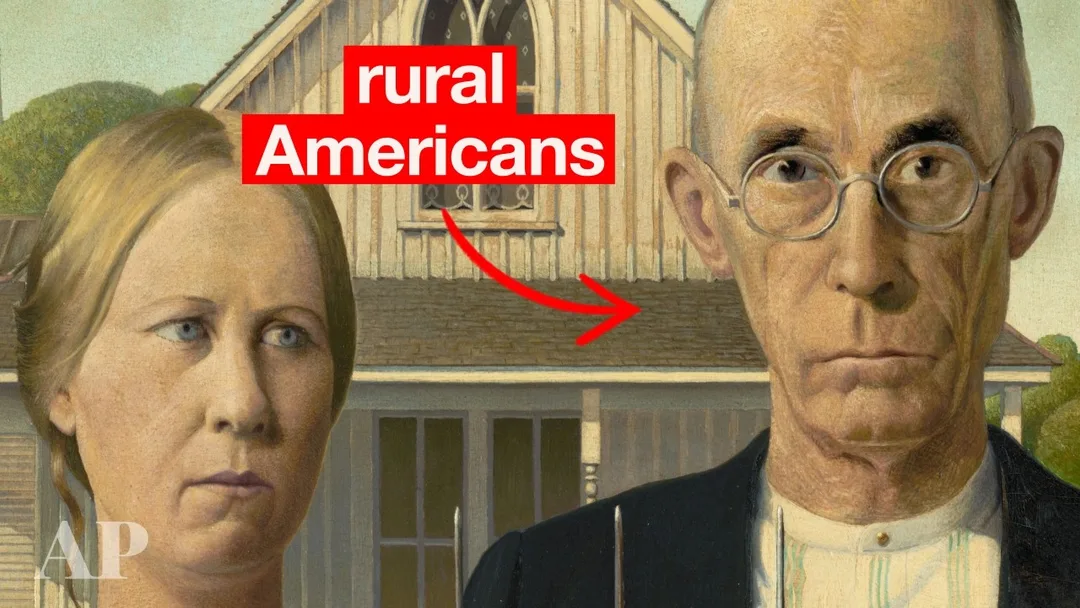
Grant Wood's American Gothic is so familiar that its stern pair, pitchfork, and pointed farmhouse window can feel like shorthand rather than a painting. A new video essay from Alla Prima returns the image to 1930, when it entered the Art Institute of Chicago's annual exhibition and immediately became a screen onto which viewers projected competing ideas about rural America.
The models were Wood's sister, Nan Wood Graham, and his dentist, Dr. Byron McKeeby, posed before a Carpenter Gothic house in Eldon, Iowa. Yet the painting's identity was never fixed by those facts. Some viewers read admiration for Midwestern endurance; others saw caricature, condescension, or anxiety about a country caught between inherited values and rapid modernization.
A painting built to absorb disagreement
The essay follows the early criticism, regional anger, and later waves of parody that made American Gothic one of the most reusable images in American culture. Its severe symmetry and compressed expressions invite interpretation without resolving it, allowing the same faces to register as proud, suspicious, comic, or trapped.
Watch How This Unsettling Painting Triggered Everyone's Insecurities on YouTube, and view American Gothic in the Art Institute of Chicago's collection.
Featured image: video thumbnail courtesy of Alla Prima via YouTube; artwork by Grant Wood.