How Artists Build a Sustainable Career Without Losing the Joy of Making Art
Making a living as an artist sounds romantic from the outside, but fnnch’s essay How to Make a Living as an Artist makes a sharper point: turning art in...
By Weston Deboer
May 22, 2026 · 3 min read
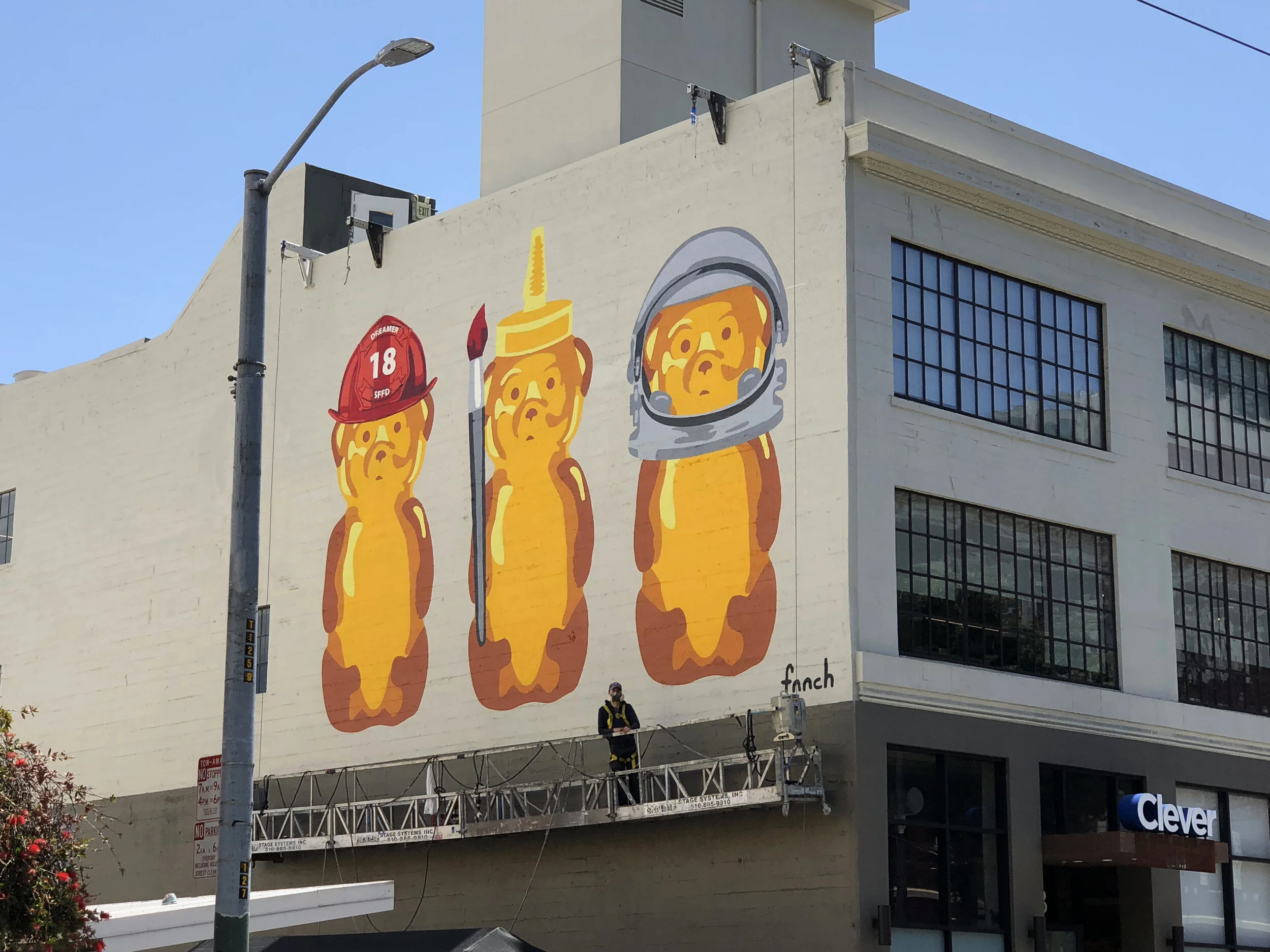
Making a living as an artist sounds romantic from the outside, but fnnch’s essay How to Make a Living as an Artist makes a sharper point: turning art into a career means accepting that art is also a business. That does not cheapen the work. It gives the artist a framework for protecting their time, reaching collectors, pricing work, and building a practice that can continue.
One of the strongest ideas in the essay is that most artists are not only creators, they are solopreneurs. Especially early on, there may not be a gallery, manager, assistant, or partner handling the business side. The artist often has to make the work, sell the work, market the work, ship the work, answer emails, keep records, and learn from every sale.
The business side of art should not be seen as the enemy of creativity. When handled well, it becomes the structure that allows an artist to make more work, reach more people, and keep going.
The essay also introduces a useful concept: Image-Market Fit. Borrowing from the startup idea of product-market fit, fnnch argues that artists eventually need to find work that connects with an audience. This does not mean chasing trends or making soulless commercial work. It means experimenting until the artist finds the overlap between what they genuinely want to make and what people genuinely respond to.
That point is especially helpful for emerging artists. Not every piece will connect. Some works may feel exciting to the artist but fall flat with collectors. Others may seem simple, but create an immediate reaction. The only way to learn the difference is to keep making, keep showing, and keep paying attention to what actually resonates.
Another important takeaway is that rejection should not be treated as a verdict on the artist. A piece of art can miss without meaning the artist has failed. In fact, making enough work to discover what connects is part of the process. The more “shots on goal” an artist takes, the more chances they have to find a visual language that people remember.
A sustainable art career is not built from one perfect idea. It is built through repetition, testing, small lessons, and the discipline to keep improving after every sale, miss, commission, and experiment.
The final section of the essay focuses on brand and repetition. For many artists, repetition can feel like a limitation. But fnnch argues that repetition is often how audiences begin to recognize an artist’s work. A repeated image, repeated style, or repeated visual system gives collectors something familiar to connect with.
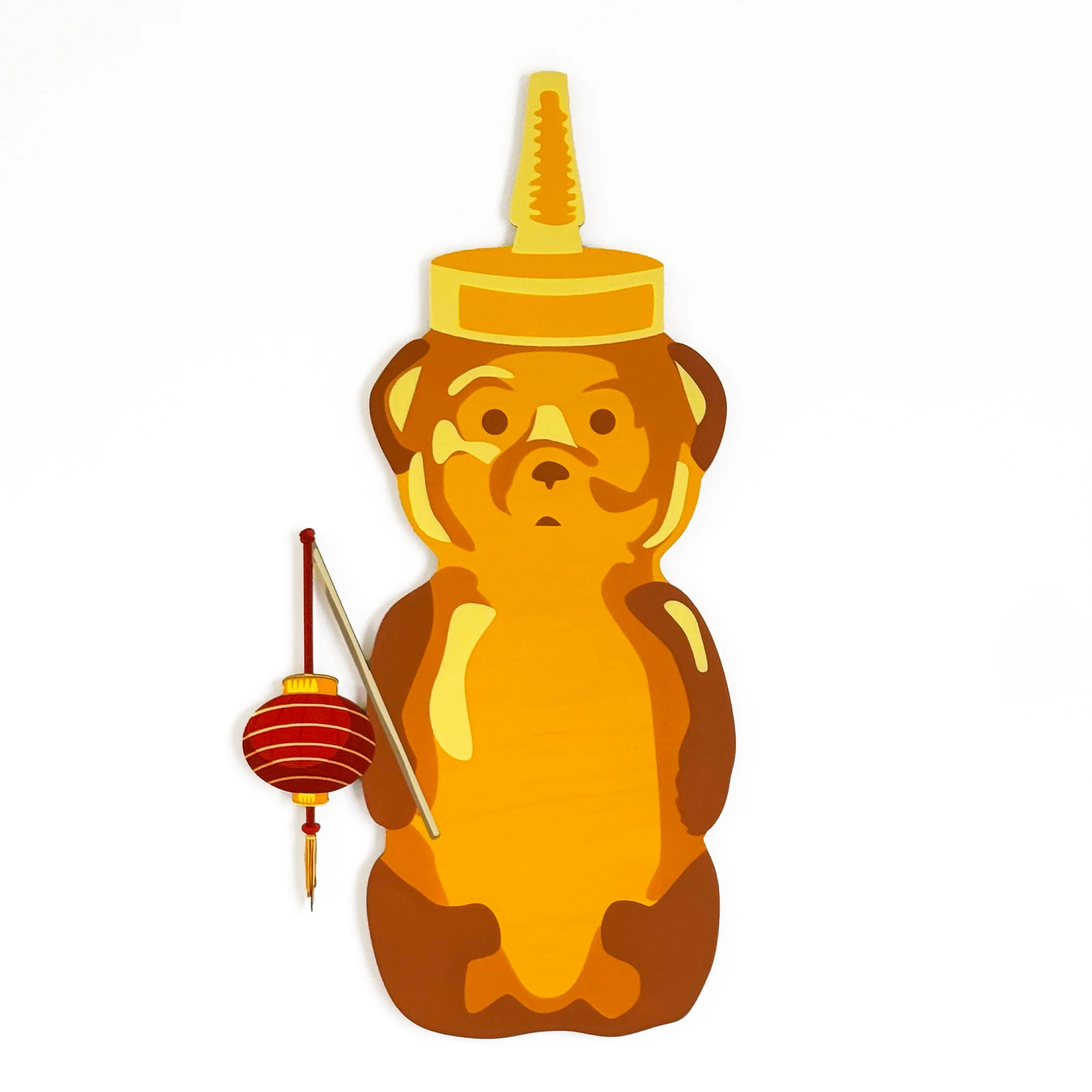
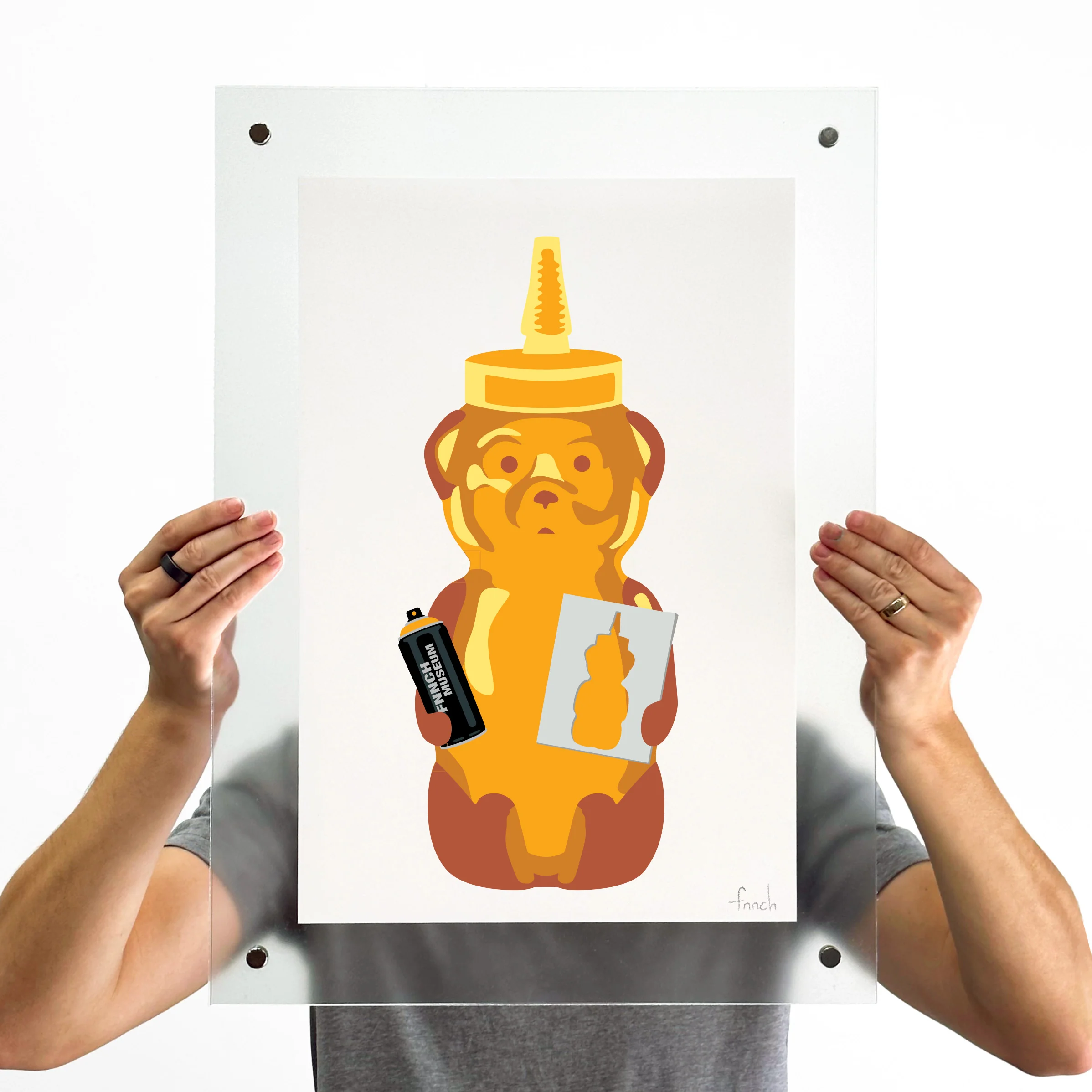
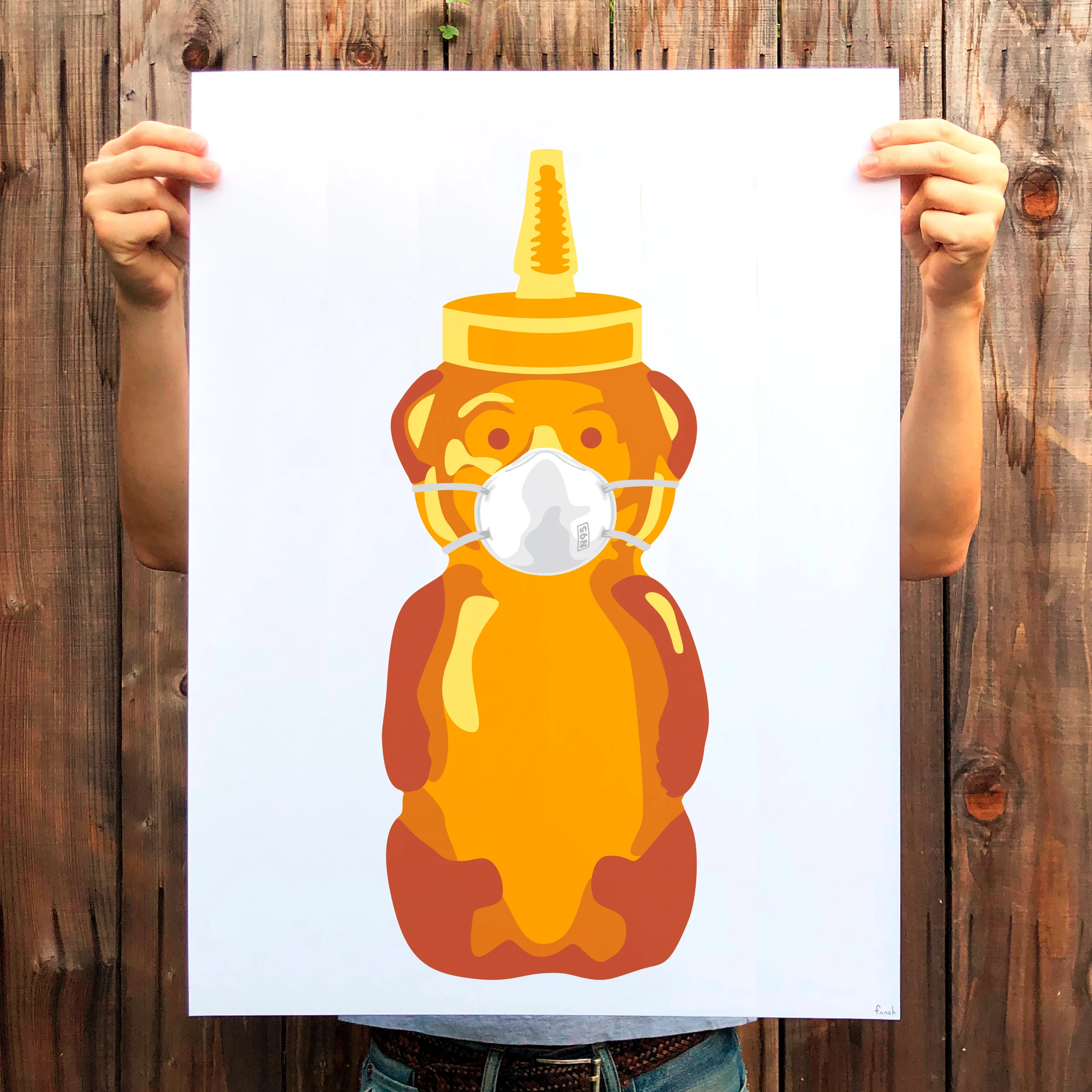
The key is not to repeat without growth. The stronger move is what fnnch calls the adjacent familiar: work that feels connected to what people already know from the artist, while still offering a new variation. This is how a body of work gains power over time. Collectors are not just buying one image. They are following the evolution of an artist’s world.
For artists trying to build a career, the lesson is clear: make the work, study the response, strengthen the selling muscle, and build a recognizable visual identity over time. The goal is not to remove mystery or soul from art. The goal is to create enough structure around the practice so the artist can keep making art for years to come.
Read the original essay: How to Make a Living as an Artist by fnnch .