Roger Gastman Says Attention Is Not an Art Career
The BEYOND THE STREETS founder argues that visibility is only a beginning; durable art careers require context, infrastructure, and committed partners.
By Weston Deboer
October 21, 2026 · 3 min read
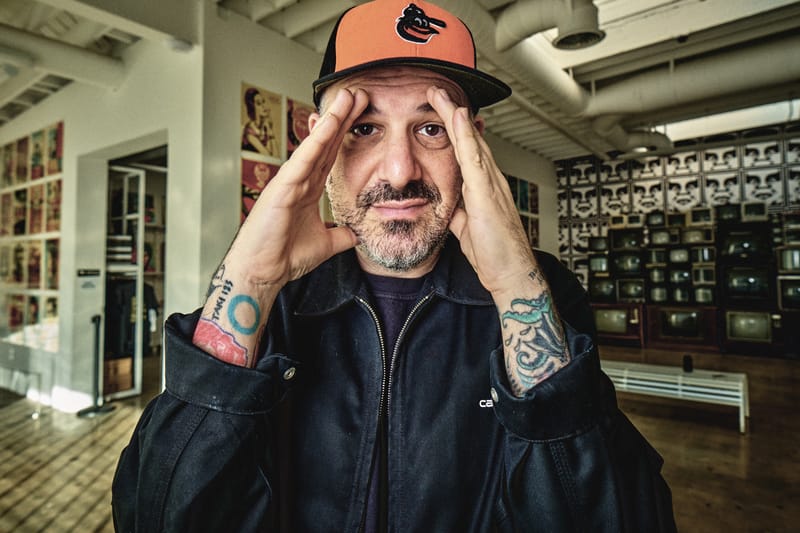
Roger Gastman at BEYOND THE STREETS. Courtesy Roger Gastman and BEYOND THE STREETS.
Art can travel around the world before the paint is dry. A studio image reaches thousands of people, a self-produced exhibition finds collectors, and an artist appears to have skipped every old gate. For curator, filmmaker, and publisher Roger Gastman, that expanded access is real, but it can disguise a harder question: what remains after the attention moves on?
In a new HypeArt conversation, the founder of BEYOND THE STREETS draws a firm line between visibility and longevity. Social media gives artists greater control over how work is introduced and sold, but an audience is not the same thing as an archive, a museum relationship, a carefully managed market, or a body of work that can still be understood decades later.
Partnership over permission
Gastman does not present gallery representation as the only serious route. The cultures that shaped his career—graffiti, punk, skateboarding, photography, and independent publishing—built their own networks because established institutions often ignored them. His point is that independence still requires structure. Artists need people who can secure loans, organize shipping, preserve provenance, publish catalogues, build institutional relationships, and continue working when nothing is immediately available to sell.
That distinction reframes the familiar debate over a gallery’s commission. The percentage is difficult to justify when a gallery functions as little more than a storefront. It becomes a different proposition when the gallery funds exhibitions, stores and transports work, develops press and curatorial relationships, and plans beyond a single transaction. The valuable signal is not the name above the door, but the depth and duration of the commitment behind it.
Building history around work made outside the system
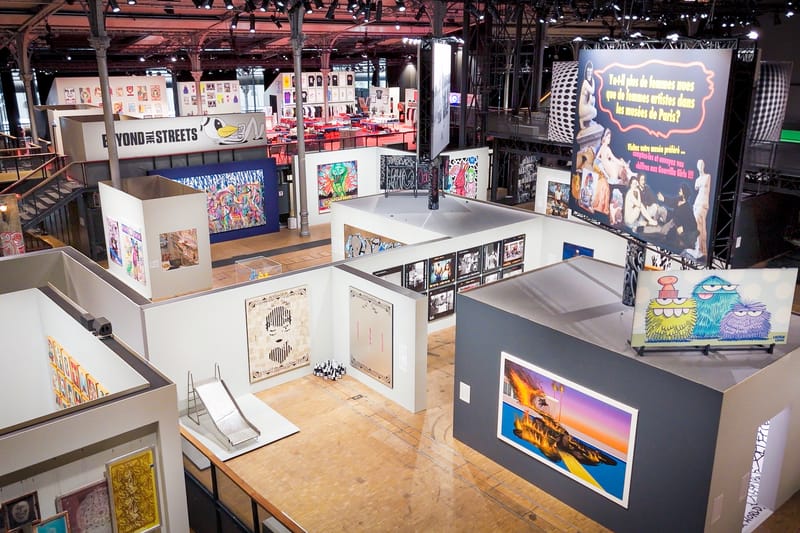
Gastman’s own practice demonstrates the model he describes. After becoming involved with graffiti as a teenager in the early 1990s, he moved between publishing, filmmaking, collecting, and exhibition-making. He produced the Academy Award-nominated Exit Through the Gift Shop, co-curated Art in the Streets at MOCA Los Angeles in 2011, and founded BEYOND THE STREETS in 2018. In 2022, the project gained a permanent Los Angeles home alongside CONTROL Gallery.
These projects do more than increase exposure. They place work in a legible history, connect generations, and preserve the records of a culture that was long documented primarily by its own participants. That same long view will underpin the next BEYOND THE STREETS exhibition at London’s Saatchi Gallery, opening November 11, 2026, and tracing six decades of street culture.
Gastman’s clearest advice is also his least procedural: make the work impossible to ignore. Representation can follow, but it should not replace looking, learning, publishing, organizing exhibitions, meeting artists, and discovering what the work actually needs to say. Read the complete HypeArt State of Art interview and explore Gastman’s official archive.
Featured image: Roger Gastman at BEYOND THE STREETS. Courtesy Roger Gastman and BEYOND THE STREETS.