In “Son,” Graffiti Becomes a Mother’s Last Line of Communication
The short documentary “Son” transforms graffiti from an anonymous mark into a fragile correspondence between a mother and her absent child.
By Weston Deboer
October 27, 2026 · 2 min read
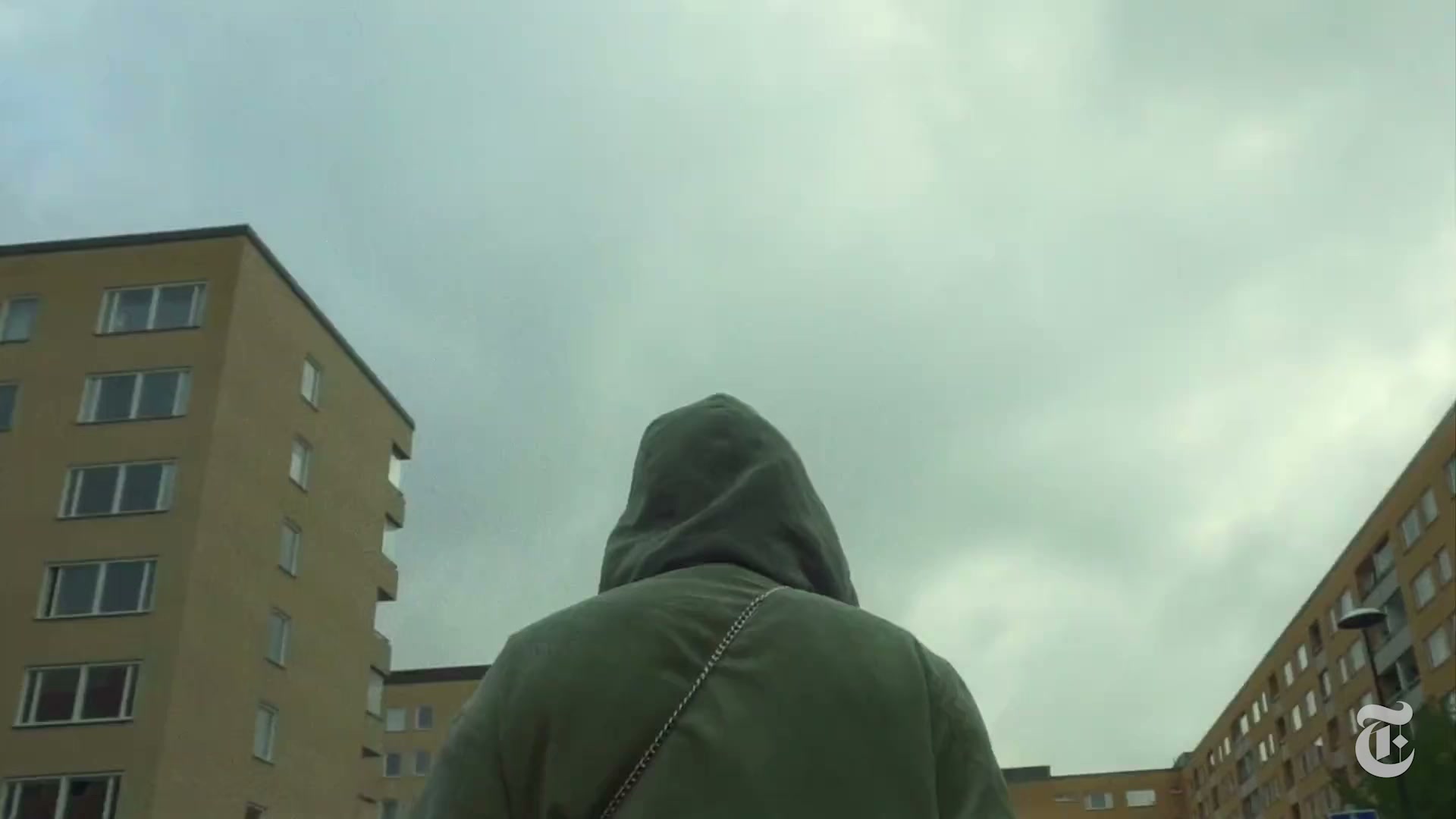
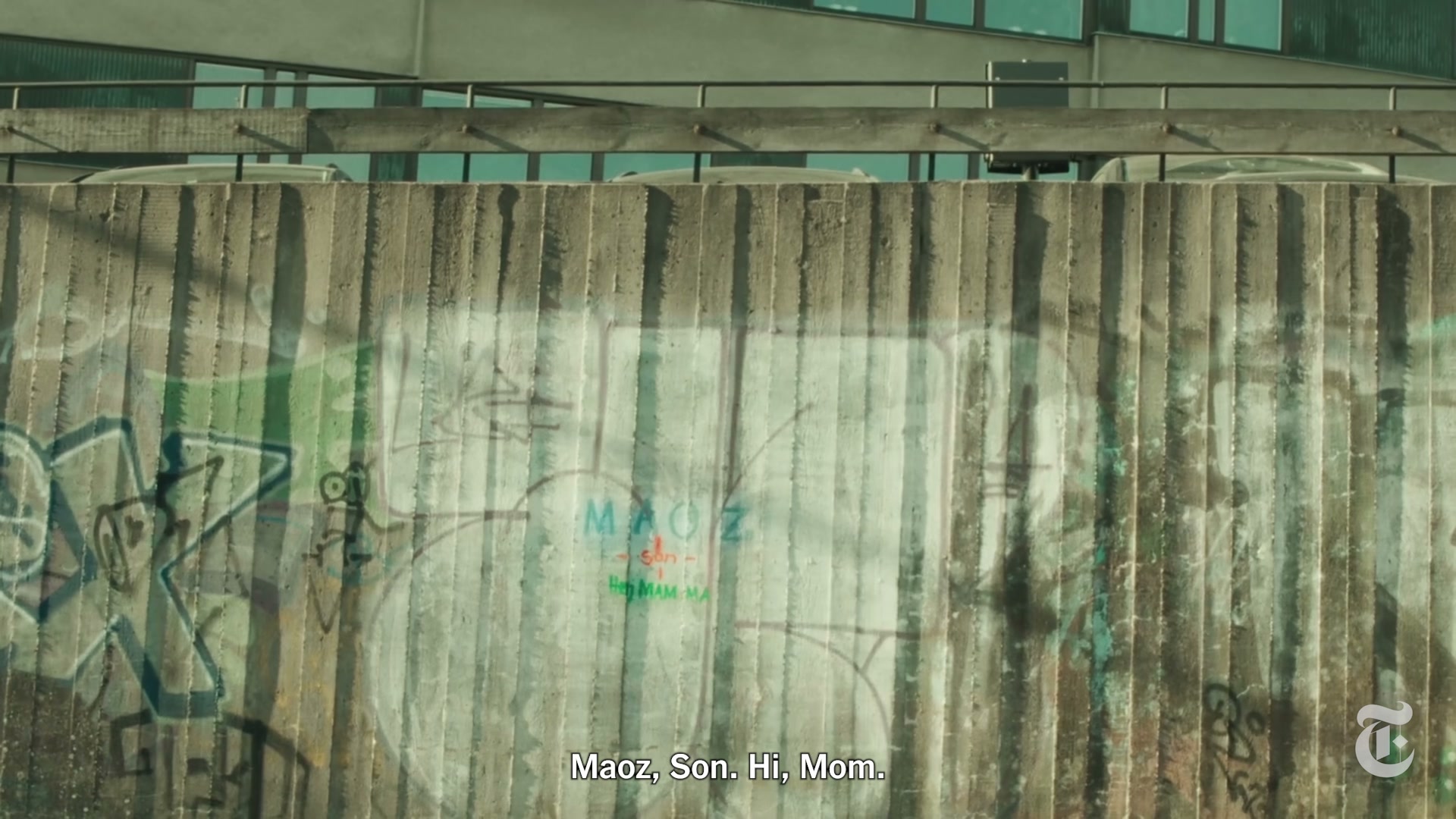
Still from Son (2025), directed by Leona Cauklija, via New York Times Opinion.
Across Stockholm, a mother searches walls, electrical cabinets, and dusty windows for one repeated signature: Maoz, the tag used by her unhoused son. In Leona Cauklija’s short documentary Son, these painted traces become more than marks on the city. They are the only dependable signs that he is still moving through it.
The 13-minute film, presented by New York Times Opinion, approaches graffiti as a private language hiding in public view. The mother photographs each tag and gathers the images into an intimate archive, reading the recurrence of her son’s name as a form of contact even when direct communication has disappeared.
A reply written into the city
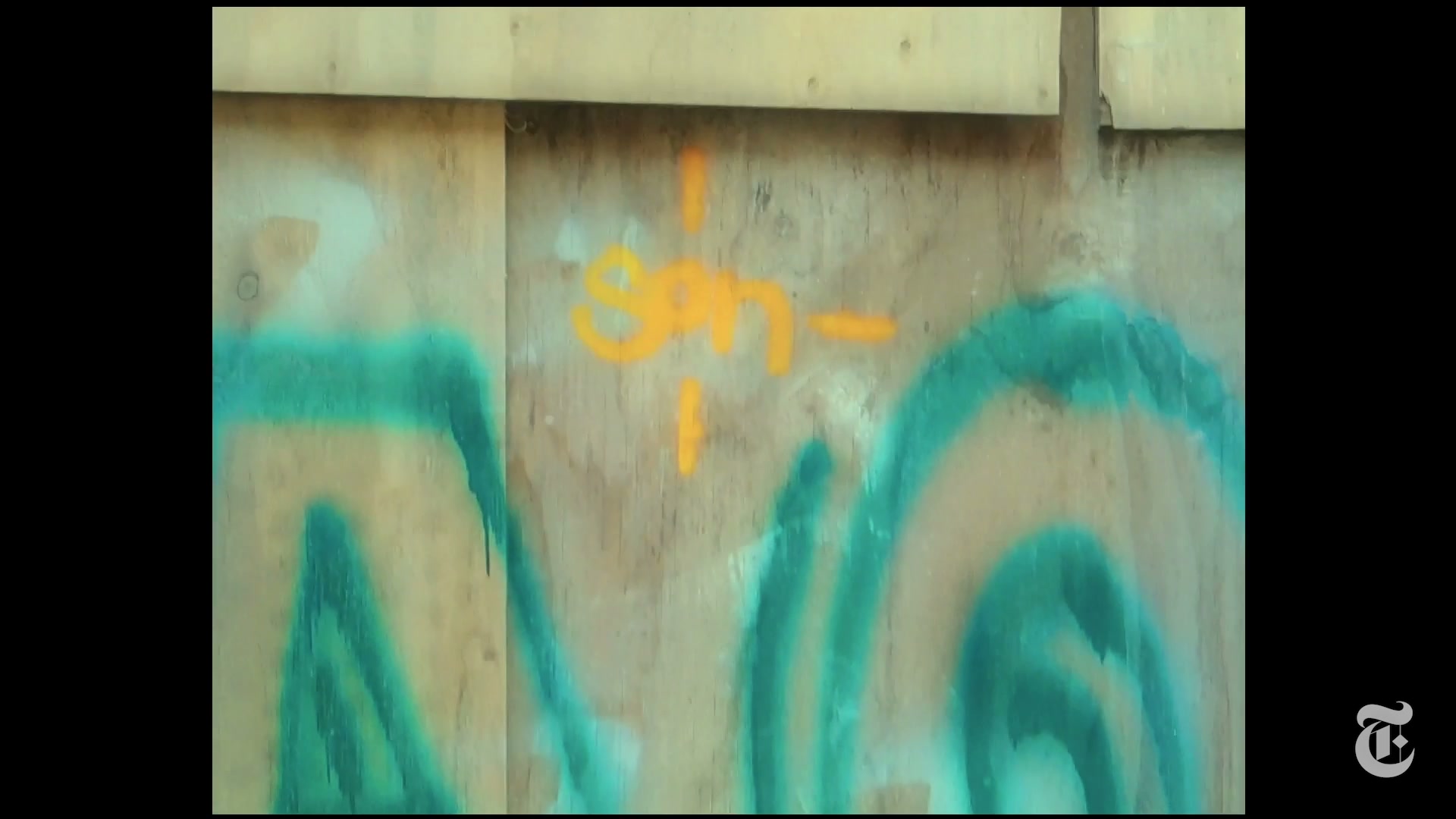
Following the same logic as her son, she begins adding her own small inscription beneath his: “SON.” The gesture is simple, but it changes the wall from evidence into correspondence. Instead of waiting for a phone call, she places an answer where she knows he may eventually look.
Cauklija keeps the woman’s identity partially concealed and lets hands, footsteps, photographs, and painted names carry the story. The visual restraint protects her privacy while making the city itself feel like the film’s second protagonist: a sprawling message board where distance and affection can briefly occupy the same surface.
Graffiti as presence
The eventual reply is only two words: “Hi, Mom.” It does not resolve the family’s separation or the realities of homelessness. What it offers is smaller and, for that reason, more affecting: confirmation that the message was seen and that the relationship still has a pulse.
Son was made in Sweden in 2025. Cauklija served as director, cinematographer, and editor; Balder Ljunggren and Joel Viksten Abrahamsson produced the film, with sound design by David Gülich. Festival descriptions from IndieLisboa, Short Film Wire, and Kasseler Dokfest confirm its production credits and central story.
The documentary’s insight is not that graffiti becomes respectable when it carries a tender message. It is that even a hurried tag can hold an entire relationship for the people able to read it. Watch “A Mother Searches for Her Son, One Graffiti Tag at a Time” at The New York Times.