Arkivism Makes Millions of Public-Domain Images Searchable by Meaning
Arkivism brings public-domain museum collections into one semantic search tool, pairing visual discovery with source links, credits, and free downloads.
By Weston Deboer
November 4, 2026 · 3 min read
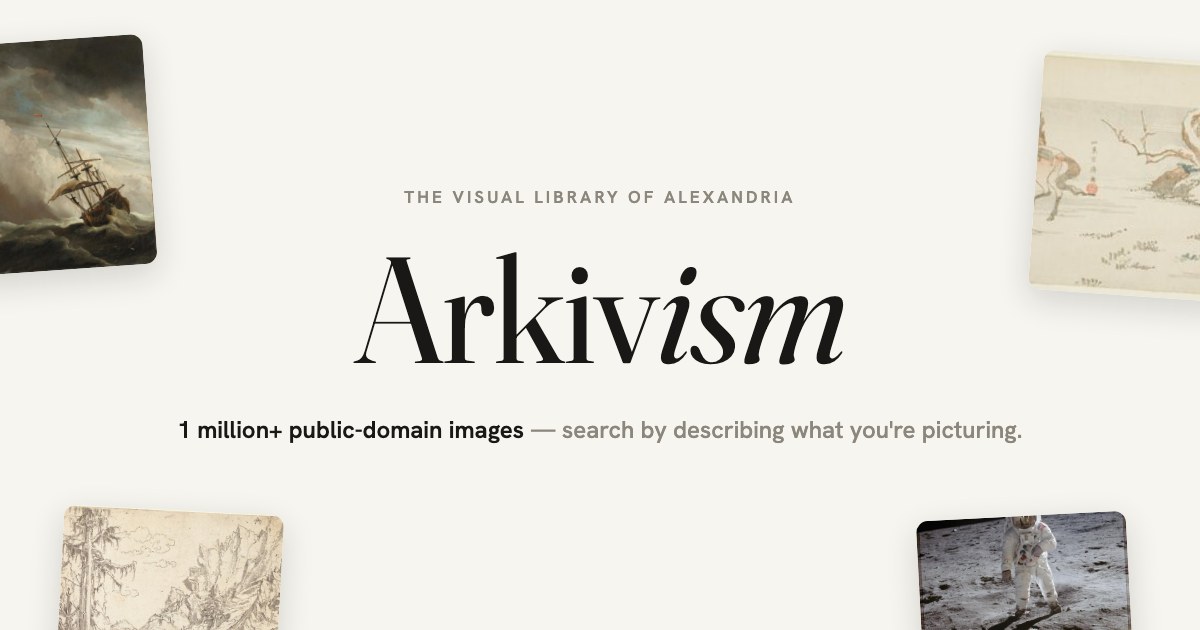
Arkivism interface. Courtesy Arkivism.
Museum open-access programs have placed an extraordinary range of art, photography, design, and historical material online. Finding it still often means searching one collection at a time, using the catalog language each institution expects. Arkivism approaches the problem as a single visual discovery layer: describe what you have in mind, then search across millions of public-domain images by meaning.
Search by description, not catalog vocabulary
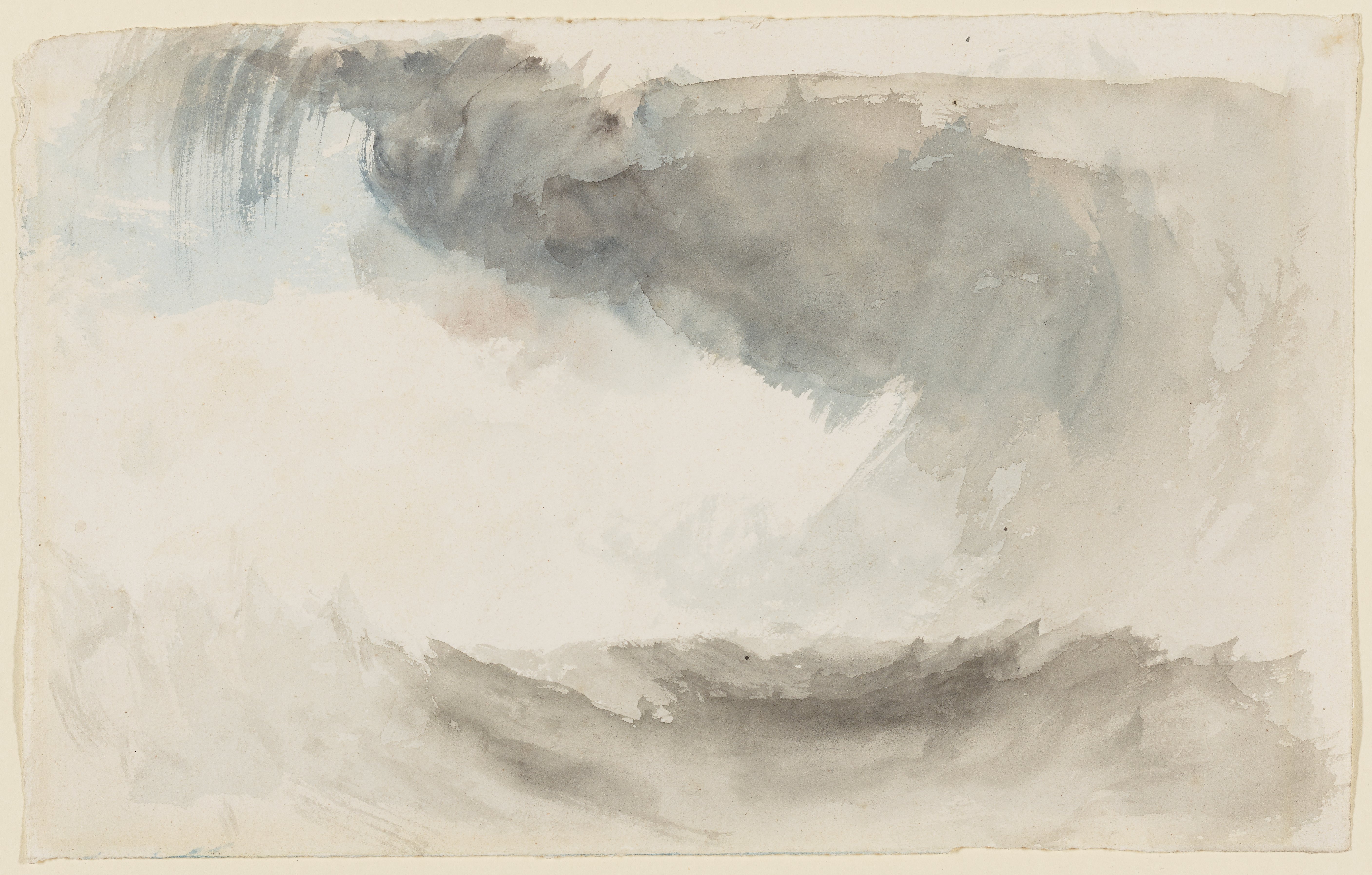
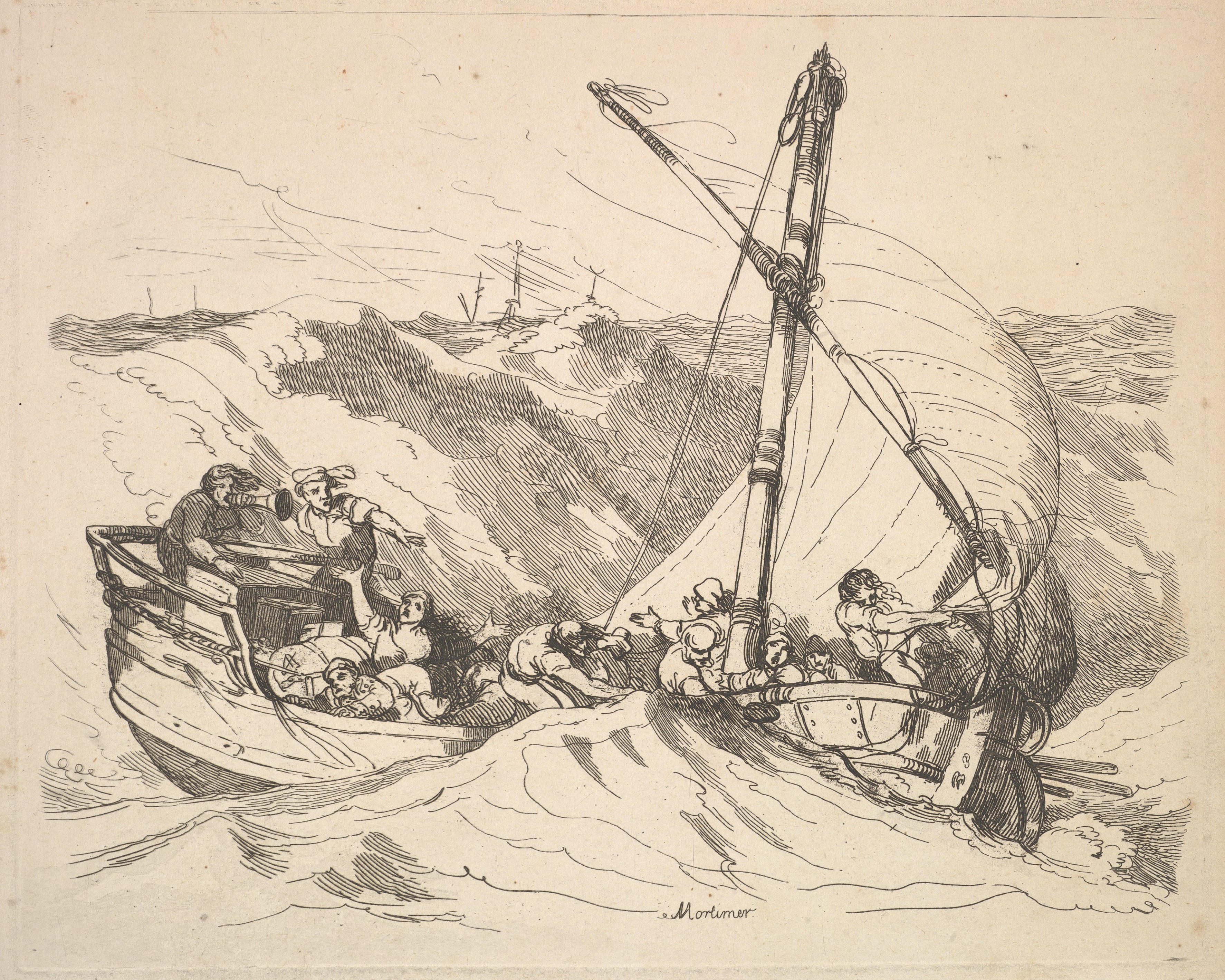
The independent project uses semantic search, so a plain-language prompt can surface objects whose records do not share the same title or keywords. A search for “storm at sea,” for example, crosses institutions, centuries, and media instead of ending at the boundary of a single museum database.
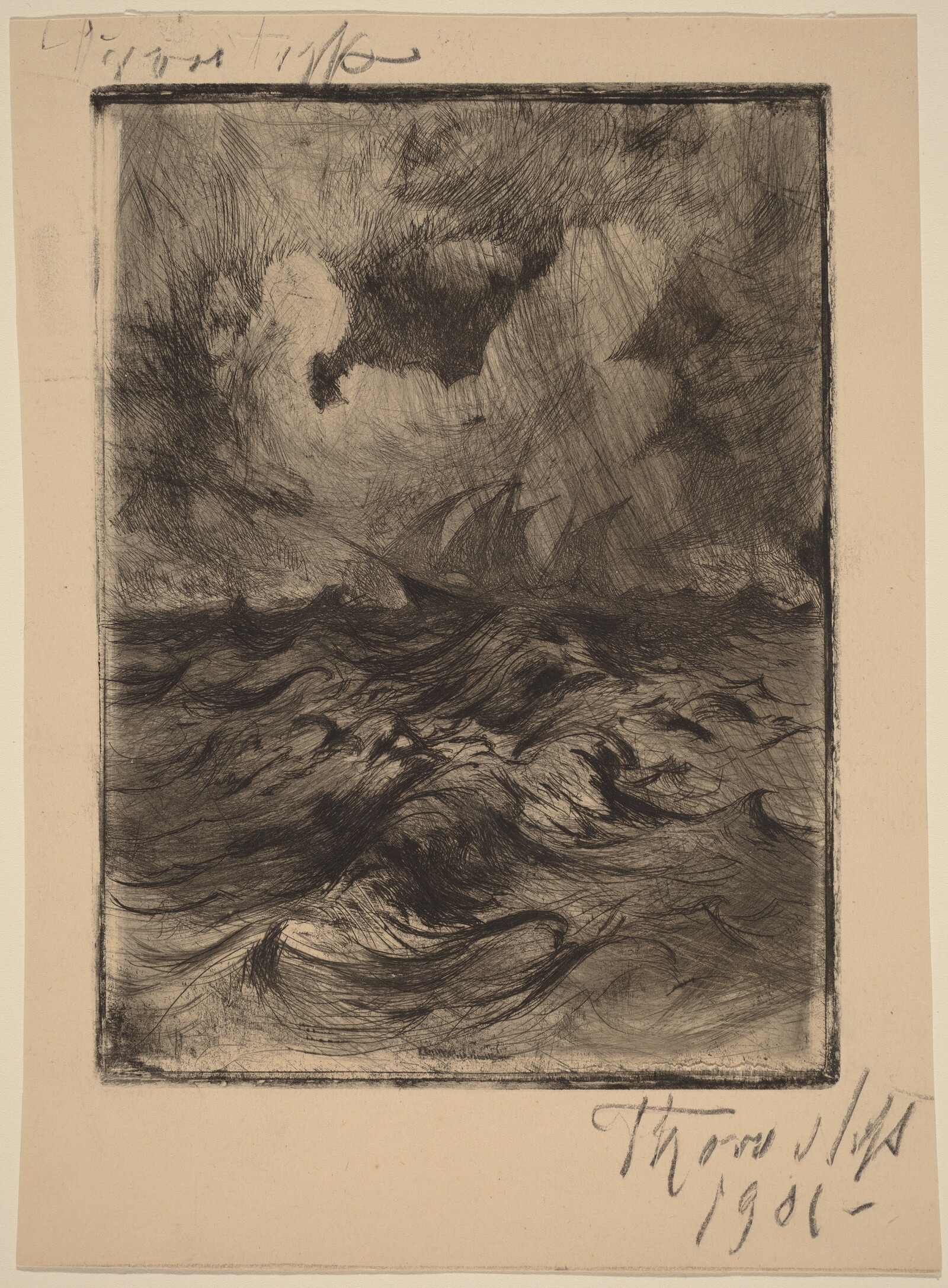
The result trail can move from Thorvald Simeon Niss’s tightly worked etching to J.M.W. Turner’s nearly abstract wash of weather and water. That variety is the point: the query describes an idea, while the results expose different ways artists and collections have recorded it.
Follow visual neighbors
Arkivism also offers similarity search. Once an image catches your attention, it becomes the starting point for another path through the index. That makes the site useful for reference gathering and visual research: a search can begin with a phrase, continue through form and composition, and end somewhere the original wording would never have reached.
Credits travel with the image
Each item keeps a path back to its institutional record. Arkivism provides full-image and crop downloads where available, along with ready-made credit lines that can be copied as text, HTML, or Markdown. Those details turn discovery into a usable research workflow without severing an object from its source or attribution.
An index, not a replacement
Arkivism says it does not host the underlying collections. It indexes material released by museums and archives under CC0 or public-domain terms, then directs visitors to the original records. Its source list spans institutions including the Rijksmuseum, Library of Congress, National Gallery of Art, Metropolitan Museum of Art, Smithsonian collections, NASA, and the National Diet Library of Japan.
A free research layer
Search and downloads do not require an account. Optional free accounts add boards and source-following, while the project’s About page states that there are no ads, paid tiers, or tracking pixels. For artists, designers, educators, and anyone who works from visual references, it is a focused way to explore open cultural collections without flattening their provenance.
Start with Arkivism’s Explore page, or browse the project’s indexed sources.