Jerry Hsu Lets Time Reveal the Meaning of a Photograph
Jerry Hsu’s latest MACK book finds emotional self-portraits in smoke, injuries, domestic spaces, wreckage, and moments that only become meaningful with...
By Weston Deboer
October 27, 2026 · 3 min read
Sources, automated assistance and corrections · Report an error.
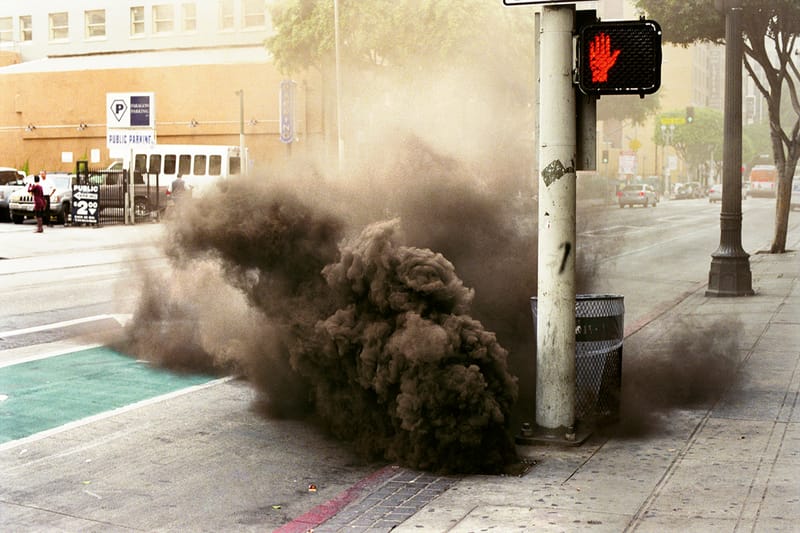
Jerry Hsu, photograph from How About Never. Courtesy of the artist and MACK.
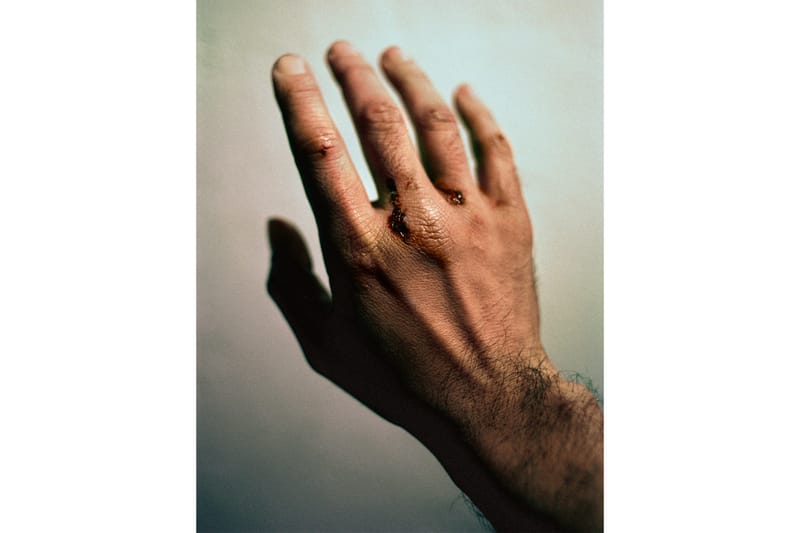
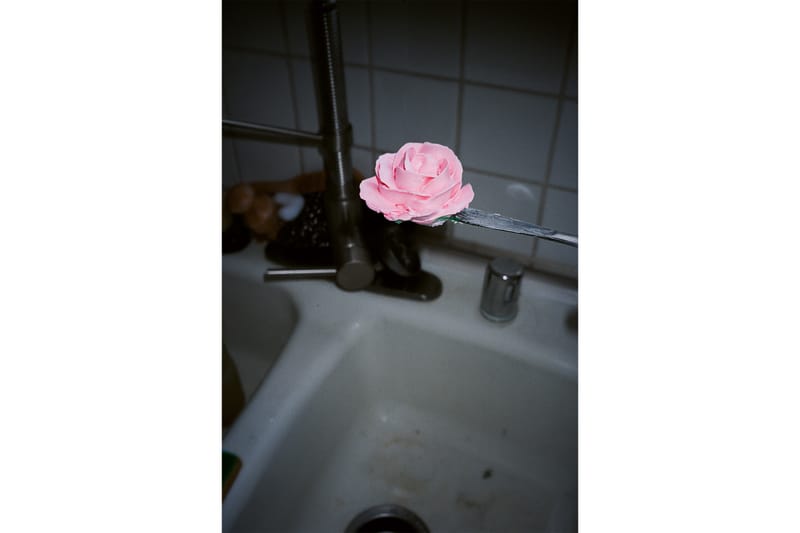
Jerry Hsu rarely appears in his own photographs, but the images in How About Never still behave like self-portraits. Smoke rolls across an intersection. A wounded hand catches the light. A pink flower hovers above a sink. Each scene records an external fact while carrying the emotional temperature of the person who noticed it.
Published by MACK, the 176-page book brings together photographs Hsu has made in Los Angeles since moving there in 2011. The city supplies its boundaries, but not its conventional subject. The sequence is less a portrait of Los Angeles than an account of how hope, damage, isolation, intimacy, and change accumulated across 15 years of one life.
Images that become important later
In a new Through the Lens interview with Hypebeast, Hsu describes photographic meaning as something that often arrives slowly. A picture may remain in his archive for years before its place in a larger sequence becomes visible. That delay shaped How About Never, which he began editing roughly five years before publication.
Hsu first established a geographical limit, then arranged a handful of foundational images on the floor and worked outward. As photographs began to answer one another, a private narrative surfaced: the duration of his marriage, from its beginning through its end, ran alongside the making of the book.
Destruction as a form of change
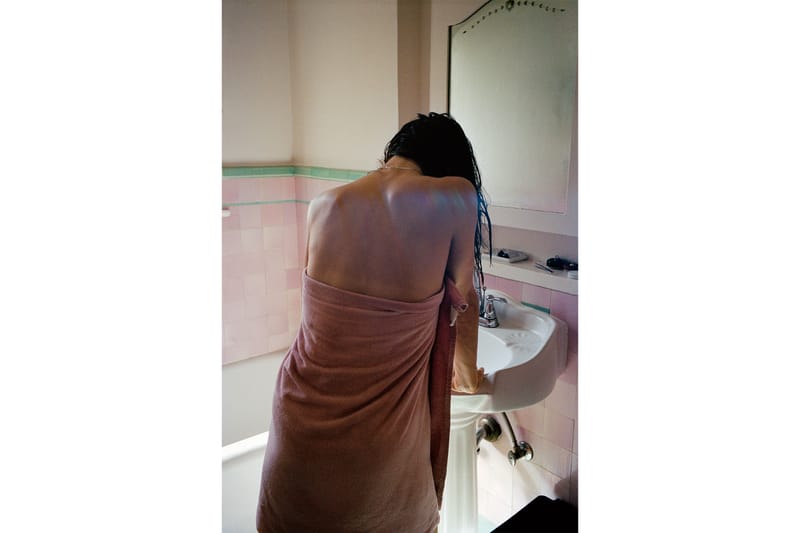
The book repeatedly pairs opposing forces. Fire and water, injury and beauty, violence and forgiveness, decay and rebirth become ways to picture transformation without illustrating it literally. MACK’s description notes crashed cars, damaged fences, physical injuries, discarded objects, and an ominously burning bank, interwoven with portraits that seek intimacy inside the city’s disrepair.
Hsu’s photography depends on wandering and receptivity. He drives, parks, and walks, sometimes for days without making a picture he values. The willingness to fail has an obvious parallel in skateboarding, where repetition, injury, and return are built into the practice.
Keeping one practice personal
Hsu became a professional skateboarder at 16 and stepped away from that career in 2017, later developing Sci-Fi Fantasy from an art project into a label. Photography remained serious but deliberately personal. In the interview, he considers whether the time demanded by the company has also protected photography from becoming another all-consuming profession.
That tension gives How About Never much of its force. The pictures are not assignments made to explain a city or document a scene. They are fragments allowed to retain their uncertainty until time, editing, and experience reveal the relationships between them.
Read Erin Ikeuchi’s full interview with Jerry Hsu at Hypebeast, and see publication details for How About Never at MACK.