The OMNI Magazine Archive Preserves Yesterday's Future
A 205-volume digital archive revives OMNI magazine as a complete visual object, from its speculative fiction and science reporting to its unmistakable a...
By Weston Deboer
October 23, 2026 · 3 min read
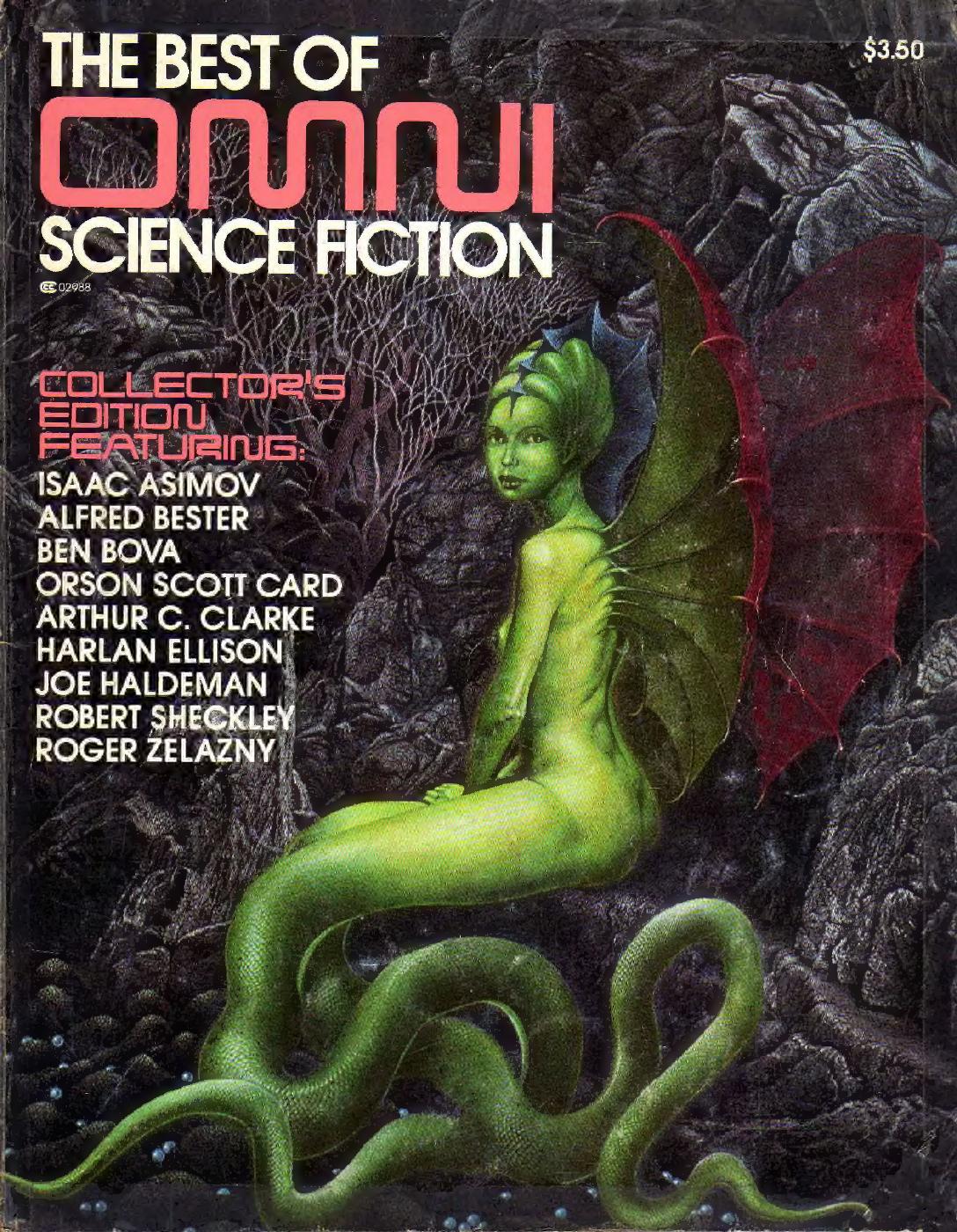
The Best of OMNI Science Fiction, 1980. Magazine scan via Internet Archive.
OMNI treated the future as a place where disciplines refused to stay in their assigned rooms. A serious report on spaceflight might sit beside a story about artificial intelligence, an interview with a scientist, a study of altered consciousness, and a full-color painting that looked as if it had arrived from a paperback published two decades later.
That improbable editorial universe can now be explored in the OMNI Magazine Archive at Internet Archive. Its file list contains 205 browsable PDFs: six early Best of OMNI collections and a run of regular issues beginning in October 1978 and extending through Winter 1995.
A magazine built around unlikely neighbors
Founded by Kathy Keeton and Bob Guccione, OMNI launched at a moment when popular science, the space age, and speculative culture could still be packaged as one grand inquiry. Its pages moved between established research and fringe possibility, hard reporting and fiction, without flattening them into a single tone.
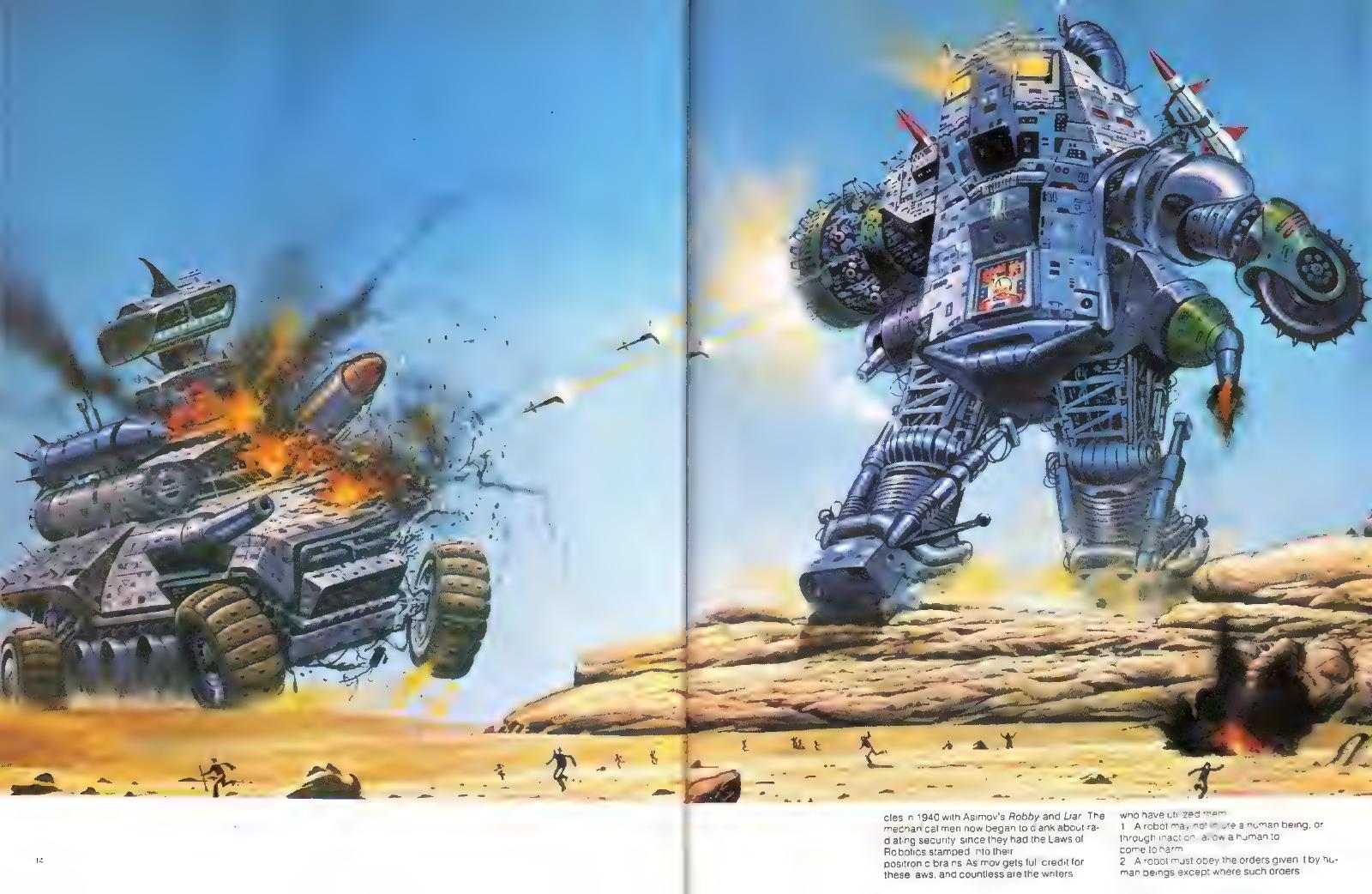
The linked 1980 science-fiction anthology makes the range immediately visible. Its cover announces Isaac Asimov, Alfred Bester, Ben Bova, Arthur C. Clarke, Harlan Ellison, Joe Haldeman, Robert Sheckley, Roger Zelazny, and other writers in the same geometric display language used across the magazine. Inside, spare columns of text collide with paintings, photo-illustrations, and double-page scenes built to stop the reader mid-story.
The art direction is part of the argument
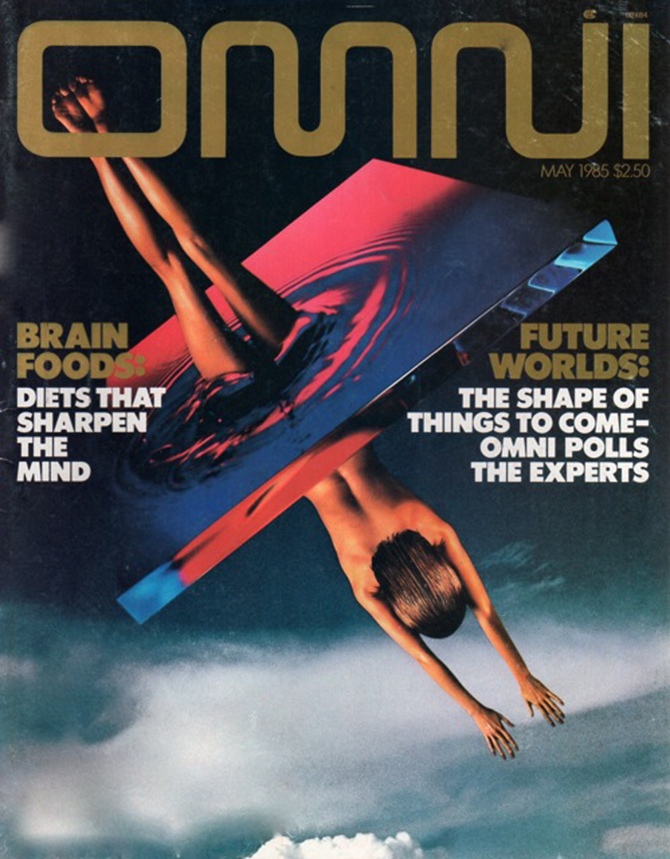
The archive rewards reading, but it also rewards looking. The familiar rounded masthead changes color and material from issue to issue while maintaining an almost architectural presence. Cover images favor polished surfaces, impossible bodies, cosmic scale, and scenes suspended between scientific diagram and dream.
Inside, the design can turn abruptly from dense monochrome text to saturated illustration. Black grounds make images feel projected rather than printed. Wide spreads use the binding as a horizon or mechanical seam. Typography is often direct and compact, leaving the artwork to supply mystery.
That combination helped OMNI make speculation feel tangible. The magazine did not merely describe futures; it gave them page dimensions, ink density, type hierarchies, and advertising breaks. Even when a prediction missed, the presentation documented what a particular era wanted the future to look and feel like.
Why a page-level archive matters
Searching an isolated article can recover information, but it cannot fully recover a magazine. The surrounding pages show editorial pacing, visual contrasts, advertisements, contents lists, paper wear, and the accidental conversations produced by sequence. A story about a machine means something different when the next page is selling the latest consumer technology.
The Internet Archive viewer preserves enough of that context to browse rather than merely search. Readers can move through complete volumes, compare covers across years, and watch recurring subjects change as computers, biotechnology, virtual reality, and space exploration moved from speculation toward daily life.
For designers, illustrators, writers, and collectors, the archive is a working reference library. Begin with The Best of OMNI Science Fiction from 1980, then move through the full Internet Archive item. Background on the publications and surviving Guccione archive is available through the OG Collection.
Featured image: Cover of The Best of OMNI Science Fiction, 1980. Magazine scan via Internet Archive.