Eric Haze Measures a Life in the Things He Will Never Sell
Inside Eric Haze’s archive, childhood art, graffiti history, and landmark design work become a record of the relationships he values beyond price.
By Weston Deboer
October 22, 2026 · 4 min read
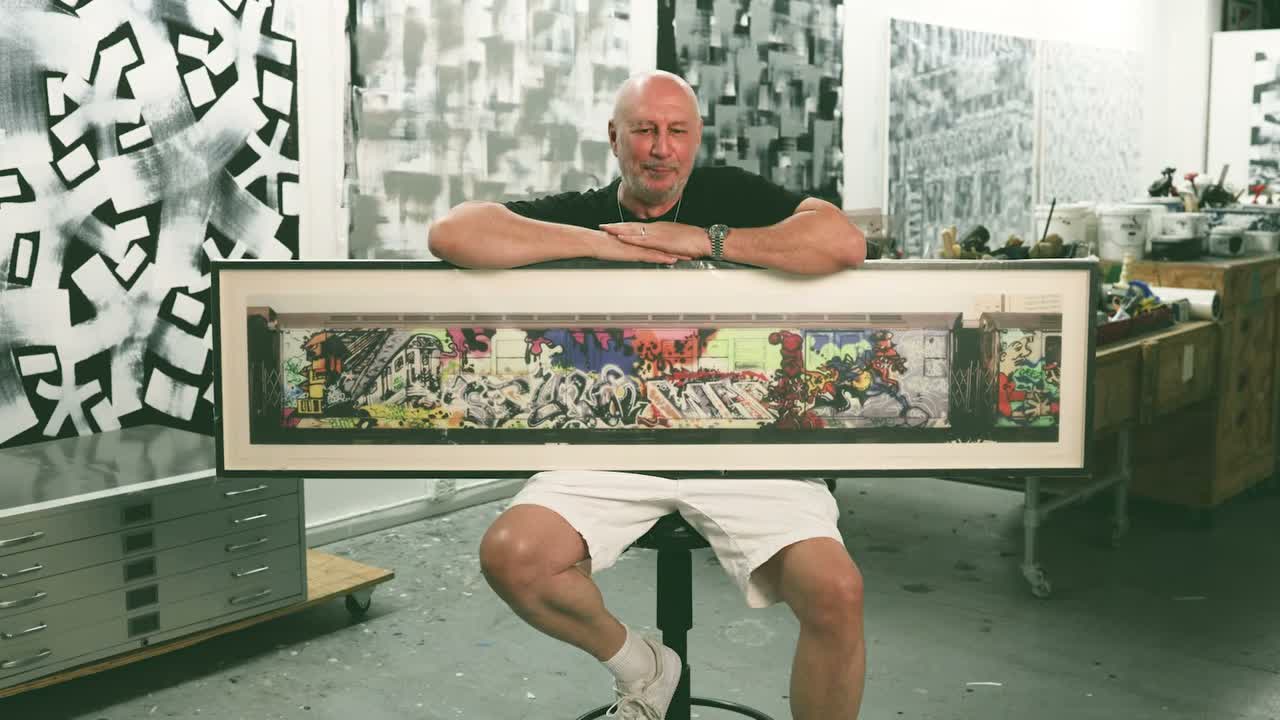
Eric Haze with Henry Chalfant’s panoramic photograph of a subway car painted by NOC 167. Still from Pieces I’ll Never Sell. Courtesy M Star Studios.
For an artist whose work has moved through subway culture, record sleeves, clothing, logos, and galleries, Eric Haze describes himself with a quieter title: archivist. He has kept the working materials, prints, garments, and artifacts from projects spanning more than four decades. In a new episode of Pieces I’ll Never Sell, that archive becomes a map of the relationships and decisions that shaped his life.
The film, produced by M Star Studios, visits Haze in his Williamsburg workspace. Its premise is deliberately resistant to the market. Instead of asking what the collection is worth, it asks which objects cannot be converted into a price at all.
A history held at arm’s length
One of the largest objects Haze brings forward is a six-foot signed print made for him by photographer Henry Chalfant. The image records a subway car painted by NOC 167, and Haze connects it to the moment when graffiti’s visual language began entering a wider public record. Chalfant’s train photographs appeared in the centerfold of the December 1980 Village Voice feature “The Fire Down Below,” which included Haze alongside Futura, Fab 5 Freddy, Lady Pink, Zephyr, and other artists. For Haze, the print belongs not only to him but to the family archive that will outlast him.
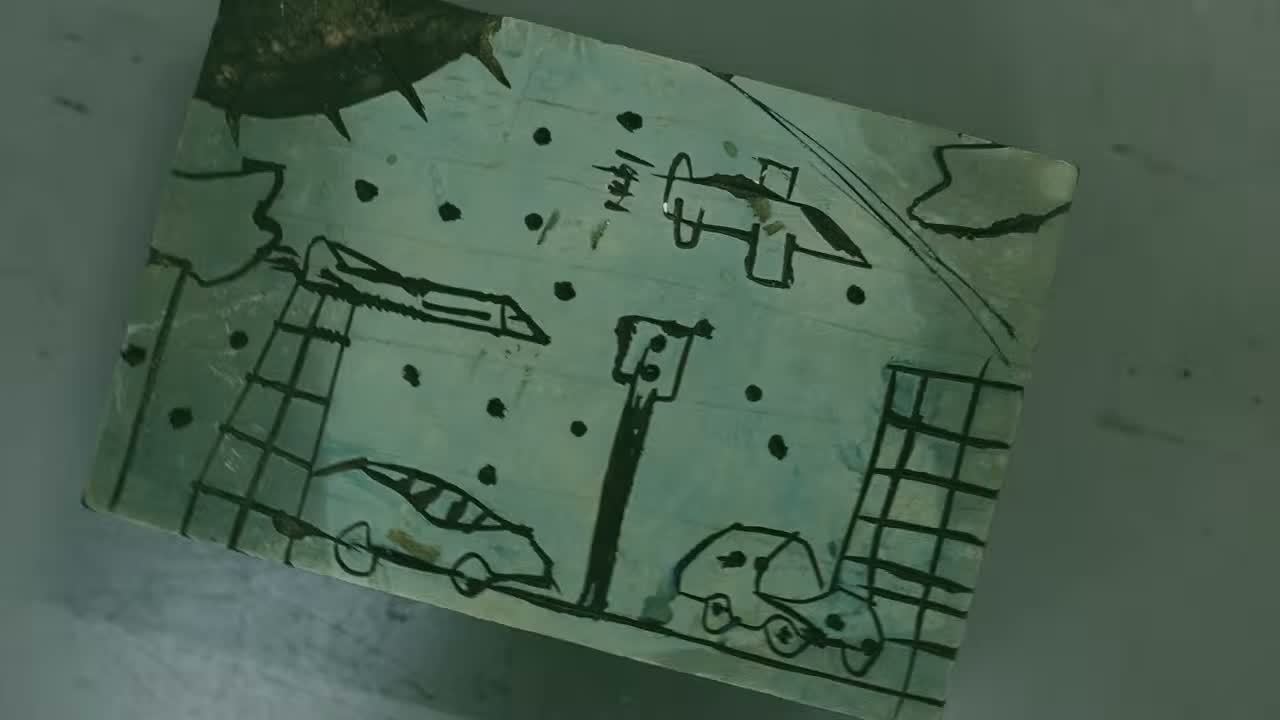
A much smaller work carries an unexpectedly long echo. Haze unfolds a kindergarten woodcut filled with cars, buildings, airplanes, and a city’s compressed movement. He rediscovered it after spending years painting New York, including the Domino Sugar Factory and scenes based on photographs by his early mentor Matt Weber. The child’s image does not look like a preliminary exercise so much as an early version of a subject he would spend decades finding again.
The hand before the name
Another work reaches even closer to the beginning: Haze’s first oil painting, made when he was ten. Elaine de Kooning was painting portraits of Haze and his sister through a connection with their father; while his sister posed, de Kooning gave him a canvas, brushes, and oil paint. A year later, he began writing graffiti, and abstraction receded from his practice. Returning to the painting decades later helped him recognize a sensibility that had existed before the name HAZE and before the applied art career that followed.
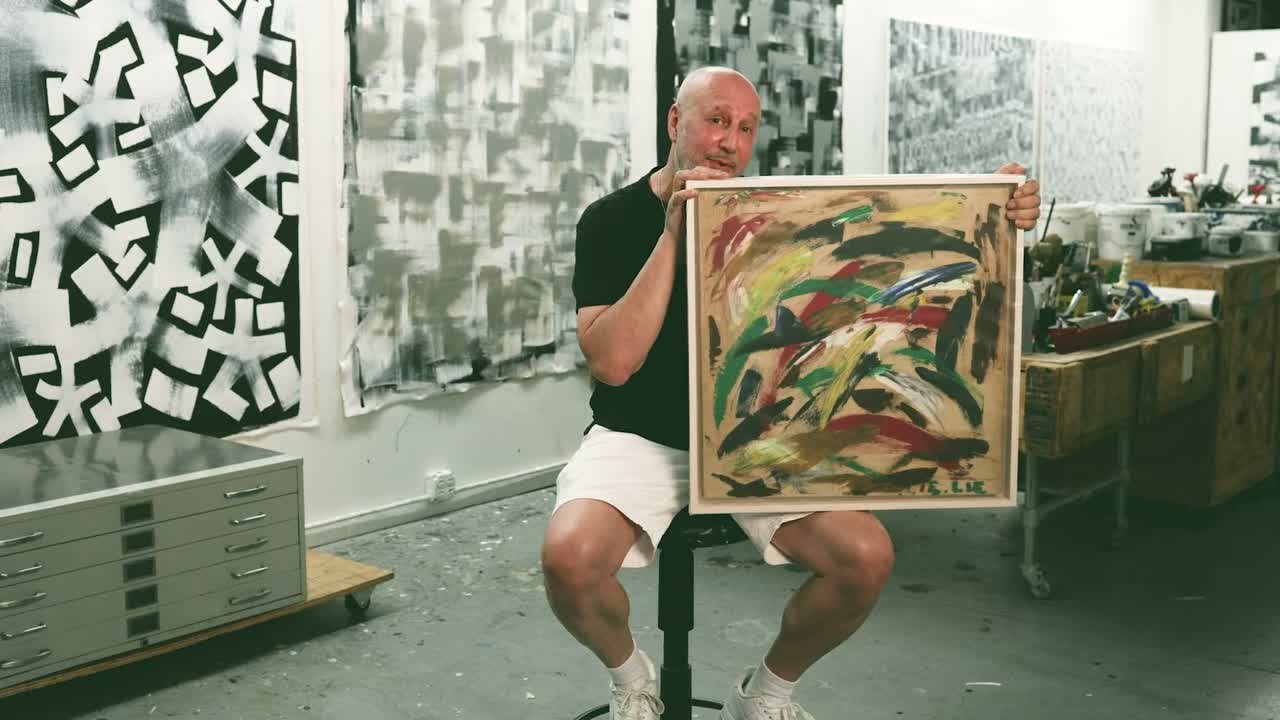
That detour through graffiti eventually led Haze toward graphic design and what he calls an embrace of commercialism. Rather than treating applied work as a lesser form, he used it as another public surface. His archive preserves the transition: early record sleeves, tour graphics, advertising, merchandise, and the accumulated evidence of how a visual identity develops through collaboration.
Designing the sound of Check Your Head
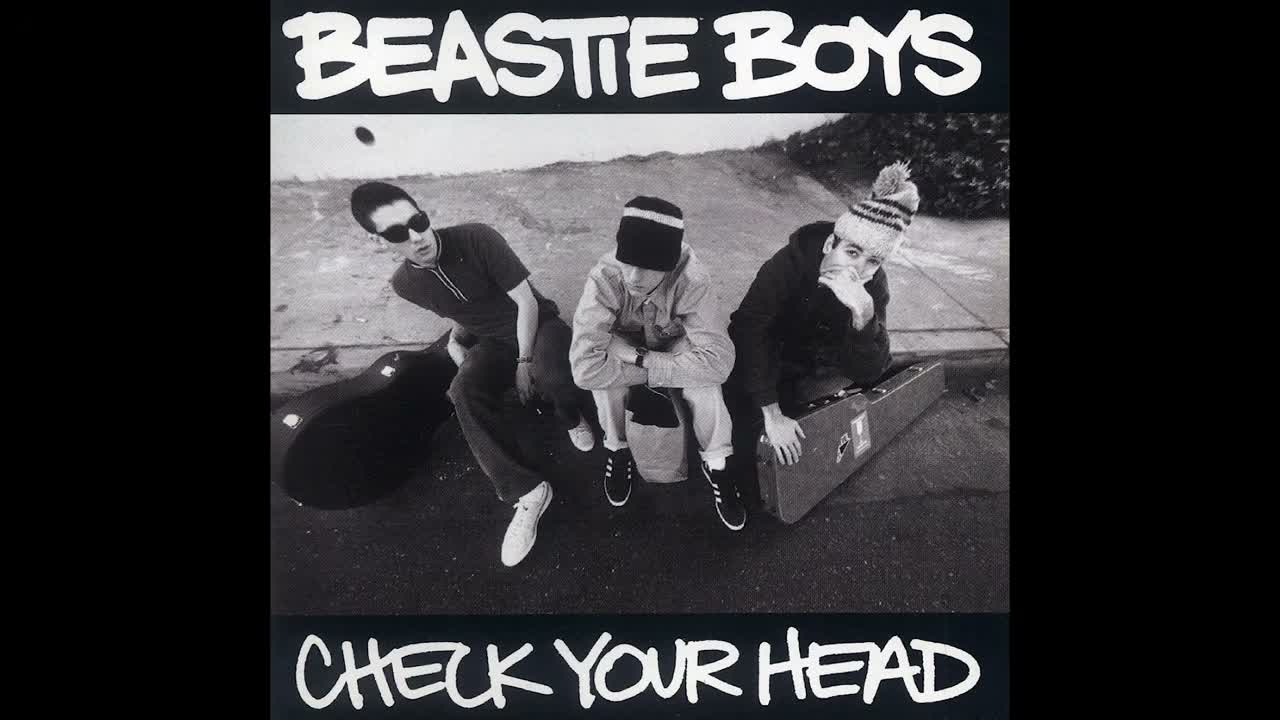
Haze first worked with the Beastie Boys on singles and tour material around the group’s debut album. Five years later, after both he and the band had moved to California, they asked him to art-direct Check Your Head. Haze remembers MCA’s direction as a request for the album to sound as though it had been recorded on a toaster oven. That phrase gave him permission to pursue the rough, low-fidelity visual system that became one of his defining projects.
Other keepsakes widen the circle. A sealed Futura x Off-White shirt is retained as a time capsule and a remembrance of Virgil Abloh. A miniature sculpture by Taku Obata represents another friendship built through collaboration. Together, the objects show that Haze’s archive is not a trophy case. It is a network of people, turning points, and forms of faith that remained intact through the highs and lows of an independent career.
Watch Beastie Boys, Graffiti to Fine Art, and Childhood Artwork: Pieces I’ll Never Sell w/ Eric Haze on the M Star Studios YouTube channel, and follow Haze’s current work through his official website and Instagram.
Featured image: Eric Haze with Henry Chalfant’s panoramic photograph of a subway car painted by NOC 167. Still from Pieces I’ll Never Sell. Courtesy M Star Studios.